Politics · Sri Lanka Bureau
Sri Lanka needs comprehensive policy on women's unpaid care work
Stakeholders have called for Sri Lanka to develop a national policy recognizing and addressing the burden of unpaid care work, predominantly shouldered by women. The appeal emerged at a major convening in Colombo focused on translating policy commitments into community-level action.
LSN Sri Lanka ·
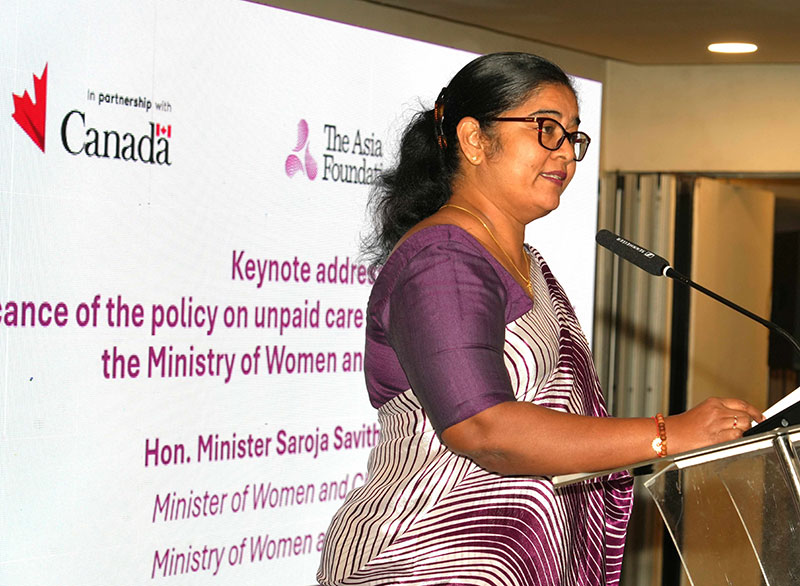
Policy advocates and government representatives gathered in Colombo this week for the third annual National Convening on Recognizing Unpaid Care Work, held under the theme "From Policy to Community-driven Solutions: Engaging Communities to Share Unpaid Care Responsibilities."
The event, organized by The Asia Foundation and the Women and Media Collective with support from Global Affairs Canada, brought together government officials, diplomats, civil society representatives, and community leaders to address the persistent challenge of unpaid domestic and care work that disproportionately affects women across the country.
Participants underscored the urgent need for Sri Lanka to establish a formal national policy framework that acknowledges the economic and social value of unpaid care work while promoting more equitable distribution of these responsibilities across households and society. Discussions emphasized that recognition must move beyond rhetoric to translate into concrete policy measures and community-level interventions.
The convening highlighted the importance of engaging local communities in designing and implementing solutions that address the gendered nature of care work. Participants stressed that sustainable progress requires coordinated action involving government agencies, civil society organizations, and communities themselves to challenge traditional norms and create systems that support more equitable sharing of care responsibilities.
The event underscored growing regional momentum toward recognizing unpaid care work as a development priority, with advocates urging Sri Lankan policymakers to capitalize on international support and domestic momentum to advance meaningful policy change.