Culture & Entertainment · Singapore Bureau
Sri Lanka restricts tourist access to drought-stricken Yala National Park
Sri Lanka's premier wildlife sanctuary faces severe water shortages as El Niño conditions threaten the region. Authorities have limited visitor access to core areas of Yala National Park as the ecosystem struggles with dwindling water supplies.
LSN Singapore ·
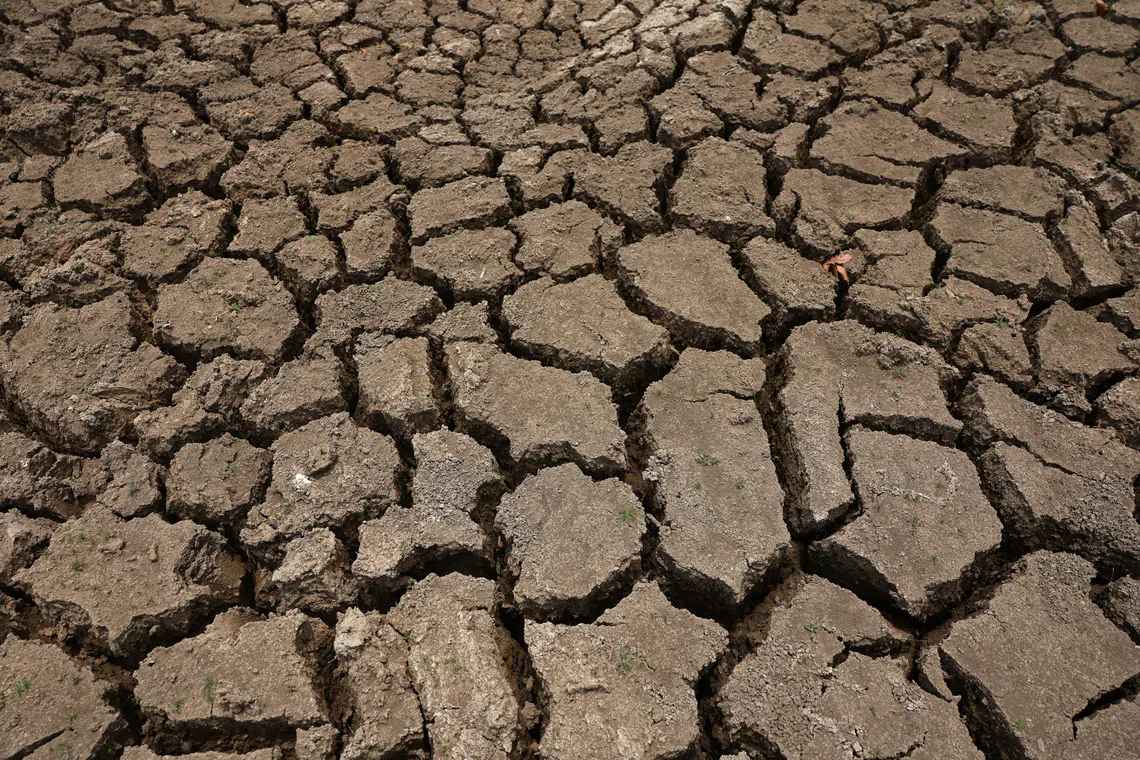
YALA — Sri Lanka's Yala National Park, one of Asia's most biodiverse wildlife reserves, has imposed restrictions on tourist access to its central zones as prolonged drought conditions intensify across the island nation. The measure comes as wildlife officials grapple with critically low water levels throughout the park's reservoirs, which are essential for sustaining the ecosystem during dry periods.
The park's shrinking water sources have forced authorities to implement emergency water delivery operations, with tanker trucks dispatched daily to replenish critical reserves. Mugger crocodiles and other wildlife congregate along the edges of dwindling water bodies, heightening competition for the limited available resources. Park officials warn that the situation may deteriorate further as El Niño weather patterns loom over the Indian Ocean region, threatening to extend dry conditions through the coming months.
The access restrictions aim to reduce pressure on the park's fragile ecosystems while conservation efforts intensify. Tourism represents a significant revenue source for Sri Lanka, making the closures a challenging trade-off for local economies dependent on visitor numbers. Wildlife experts emphasize that protecting water supplies is crucial for preventing mass die-offs among the park's diverse animal populations, including elephants, leopards, and various bird species.
Yala National Park, established in 1938, spans approximately 97,881 hectares and has long been a flagship destination for wildlife tourism in South Asia. The current water crisis highlights the region's vulnerability to climate variability and underscores concerns about long-term sustainability of major wildlife habitats in the face of shifting weather patterns.