Politics · Sri Lanka Bureau
Sri Lanka's Counter-Terror Legislation Threatens Key Trade Agreement
Legal experts warn that Sri Lanka's enhanced counter-terrorism measures risk jeopardizing preferential trade status with major international partners. The concerns centre on provisions that could conflict with labour and human rights standards required under existing trade agreements.
LSN Sri Lanka ·
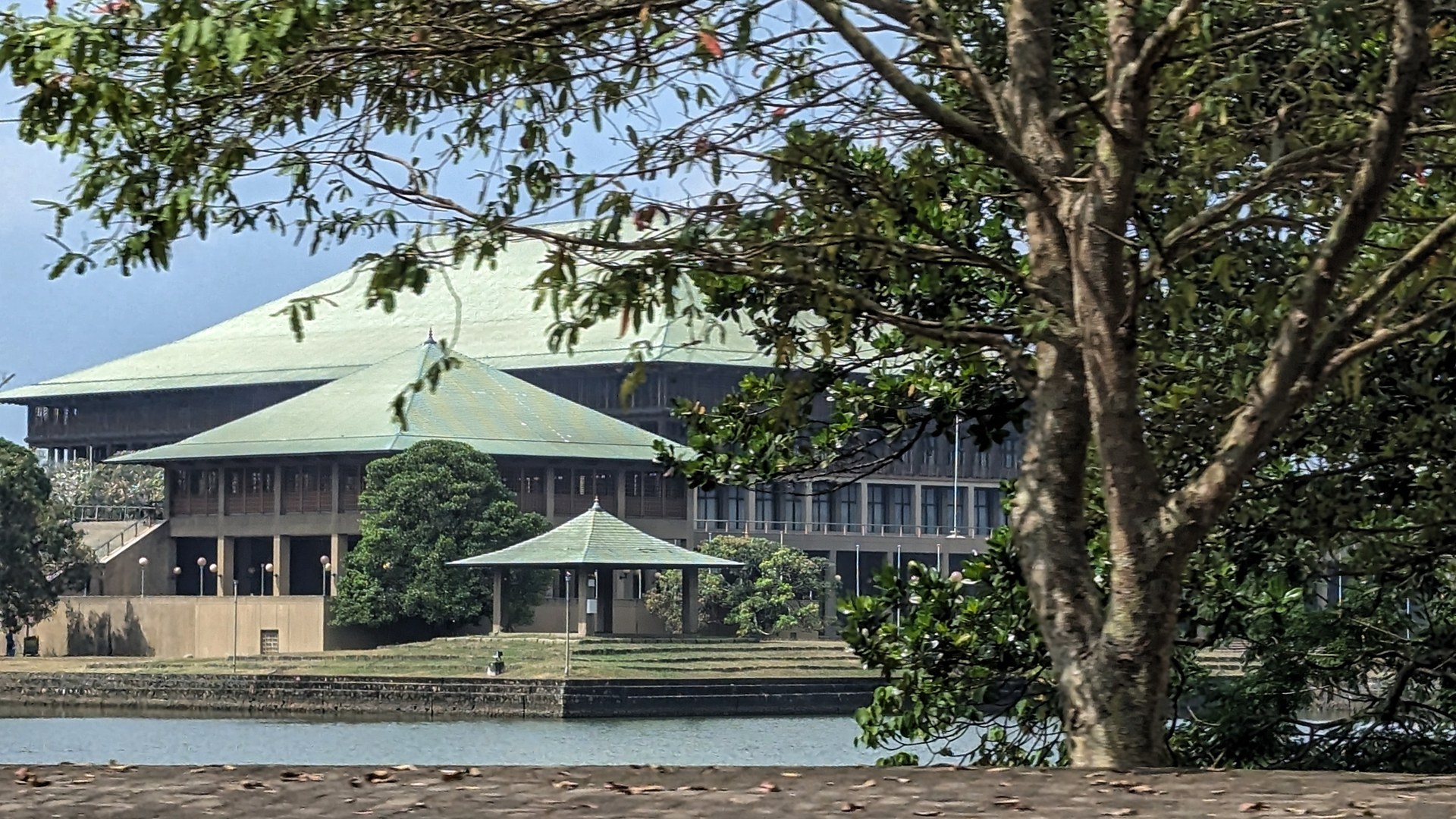
Sri Lanka faces potential consequences to its trade standing following the enactment of strengthened counter-terrorism legislation, raising questions about compatibility with international labour standards and human rights protections.
Trade analysts and legal observers have flagged concerns that certain provisions within the new terror law could trigger review mechanisms in preferential trade arrangements, particularly those linked to compliance with worker protections and democratic freedoms. Such reviews could result in suspension or withdrawal of trade benefits that have become vital to the nation's export-dependent economy.
The legislation introduces broader definitional frameworks for terrorism-related offences and expanded investigative powers. While security officials argue these measures are necessary to combat genuine threats, trade negotiators warn that provisions affecting civil liberties and worker organising rights create friction with partners' domestic obligations to uphold labour conventions.
Key trading partners have indicated that any deterioration in labour standards or restrictions on fundamental freedoms could trigger automatic reviews of preferential access. Given Sri Lanka's reliance on preferential duty rates for competitiveness in garment manufacturing and other export sectors, any suspension would carry significant economic consequences.
Government officials have indicated willingness to address concerns through clarifications and legislative amendments, though negotiations with trading partners remain ongoing. The situation underscores the balance Sri Lanka must maintain between security imperatives and the international commitments underpinning its trade relationships.
Photo: The Parliament of Sri Lanka at Sri Jayawardenepura Kotte. Dennis Sylvester Hurd via Wikimedia Commons (CC0).