Politics · India Bureau
Sri Lanka's Dissanayake cites India's Katchatheevu acknowledgment
Sri Lankan President Anura Kumara Dissanayake has highlighted India's position on the Katchatheevu island dispute, noting New Delhi's legal acknowledgment of Sri Lankan sovereignty. The statement comes after India's Attorney General affirmed the country's commitment to existing bilateral agreements on the islet.
LSN India ·
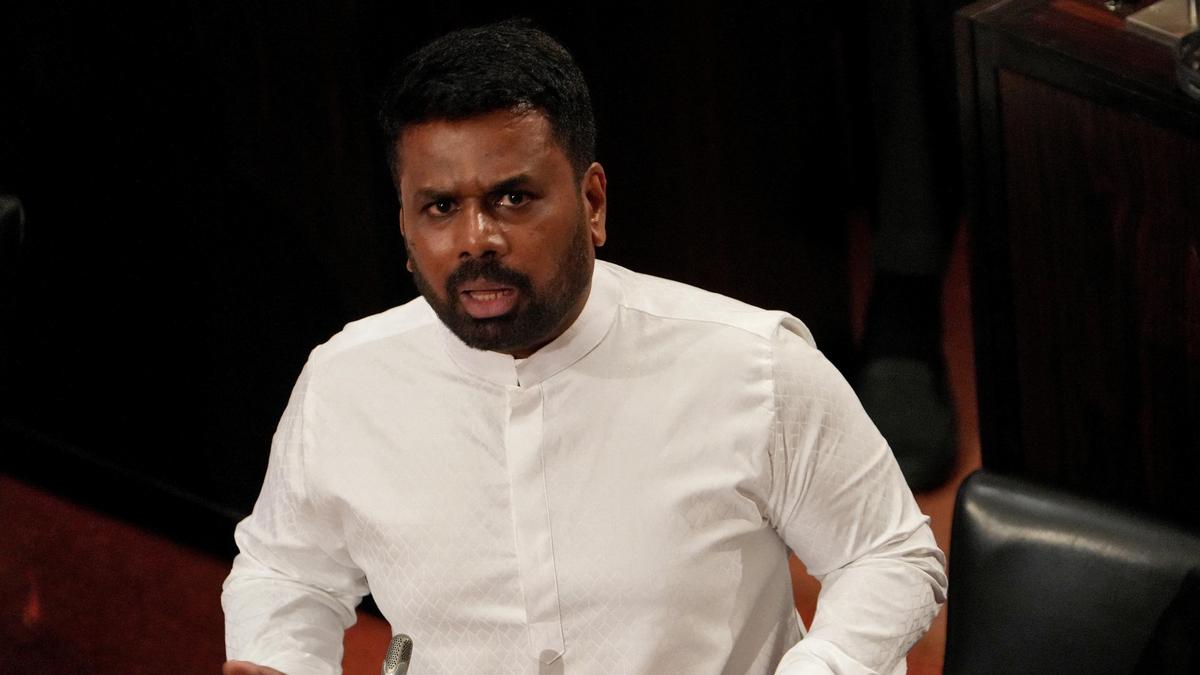
Sri Lankan President Anura Kumara Dissanayake has underscored what he characterizes as positive bilateral relations with India, pointing to New Delhi's recent judicial stance on the disputed Katchatheevu island. According to Dissanayake, India has formally acknowledged before its Supreme Court that the islet belongs to Sri Lanka, signalling New Delhi's adherence to longstanding agreements between the two nations.
The President's comments follow a significant statement by India's Attorney General R. Venkataramani, who appeared before the Indian Supreme Court last week. Venkataramani clarified that India does not intend to reopen the bilateral Katchatheevu agreements signed in 1974 and 1976, effectively closing the door on any renegotiation of the island's status.
The Katchatheevu islet, located in the Palk Strait between India and Sri Lanka, has been a historical point of contention. The 1974 and 1976 agreements formally transferred the island from Indian to Sri Lankan control. Dissanayake's recent remarks appear aimed at reassuring both domestic audiences and the international community of stable India-Sri Lanka relations on this sensitive matter.
The clarification from India's top law officer is seen as particularly significant given periodic domestic debate within India regarding the island's status. By affirming India's commitment to the existing legal framework, Venkataramani has provided a definitive statement on New Delhi's position, potentially easing longstanding concerns in Colombo about the permanence of the bilateral agreements.