Politics · Sri Lanka Bureau
Sri Lanka's Generational Cigarette Ban Draws Policy Concerns
Sri Lanka's proposed generational cigarette ban aims to create a tobacco-free future, but critics question whether the policy approach will effectively achieve public health goals.
LSN Sri Lanka ·
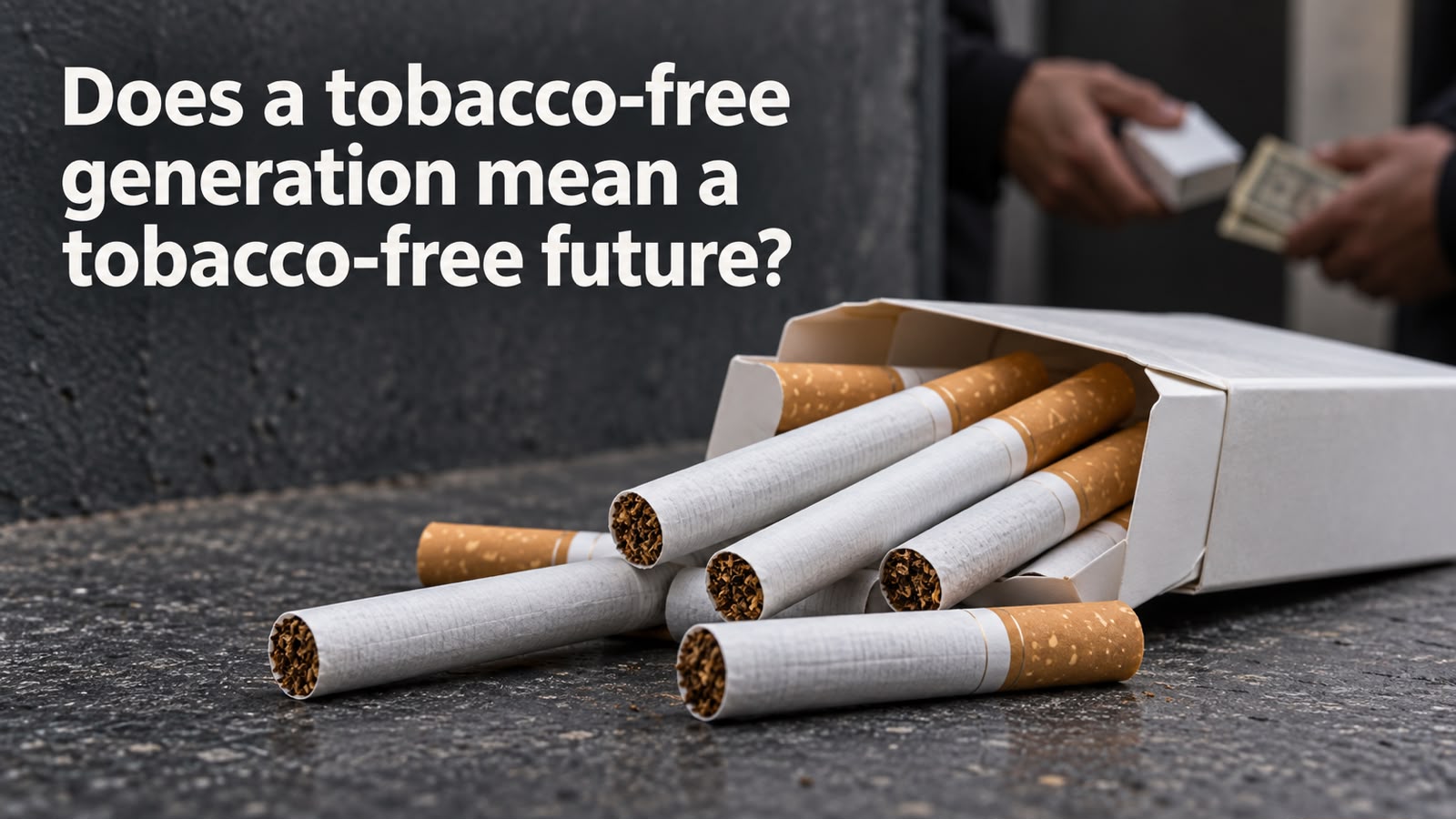
Sri Lanka is advancing plans for a generational cigarette ban that would prohibit tobacco sales to people born after a certain date, positioning the island nation as a potential pioneer in radical tobacco control measures. The proposal reflects growing international momentum toward eliminating cigarette consumption through legislative innovation rather than traditional taxation or regulation approaches.
Proponents of the measure argue that a generational ban represents the most effective pathway to reducing smoking-related diseases and deaths, which remain a significant public health burden across Sri Lanka. The policy would prevent an entire cohort of citizens from legally purchasing cigarettes, theoretically breaking the cycle of nicotine addiction across generations.
However, policy analysts have raised substantive concerns about the proposal's implementation and efficacy. Critics argue that a generational ban may create unintended consequences, including black market expansion, enforcement challenges, and questions about constitutional feasibility. They contend that alternative policy tools—such as enhanced taxation, stricter advertising restrictions, and improved cessation support programs—may achieve comparable health outcomes with fewer implementation obstacles.
The debate reflects a broader tension in tobacco control policy between ambitious public health objectives and pragmatic policy design. As Sri Lanka considers legislative action, health officials and policymakers continue weighing the potential benefits of generational prohibition against documented challenges from similar approaches elsewhere in the region and globally.