World · Sri Lanka Bureau
Sri Lanka's High Grown Tea Output Hits Historic Low
Sri Lanka's prized high grown tea production has plummeted to unprecedented levels, raising concerns among industry stakeholders about the sustainability of the country's flagship tea sector. The decline reflects a convergence of challenges affecting the island's tea-growing regions.
LSN Sri Lanka ·
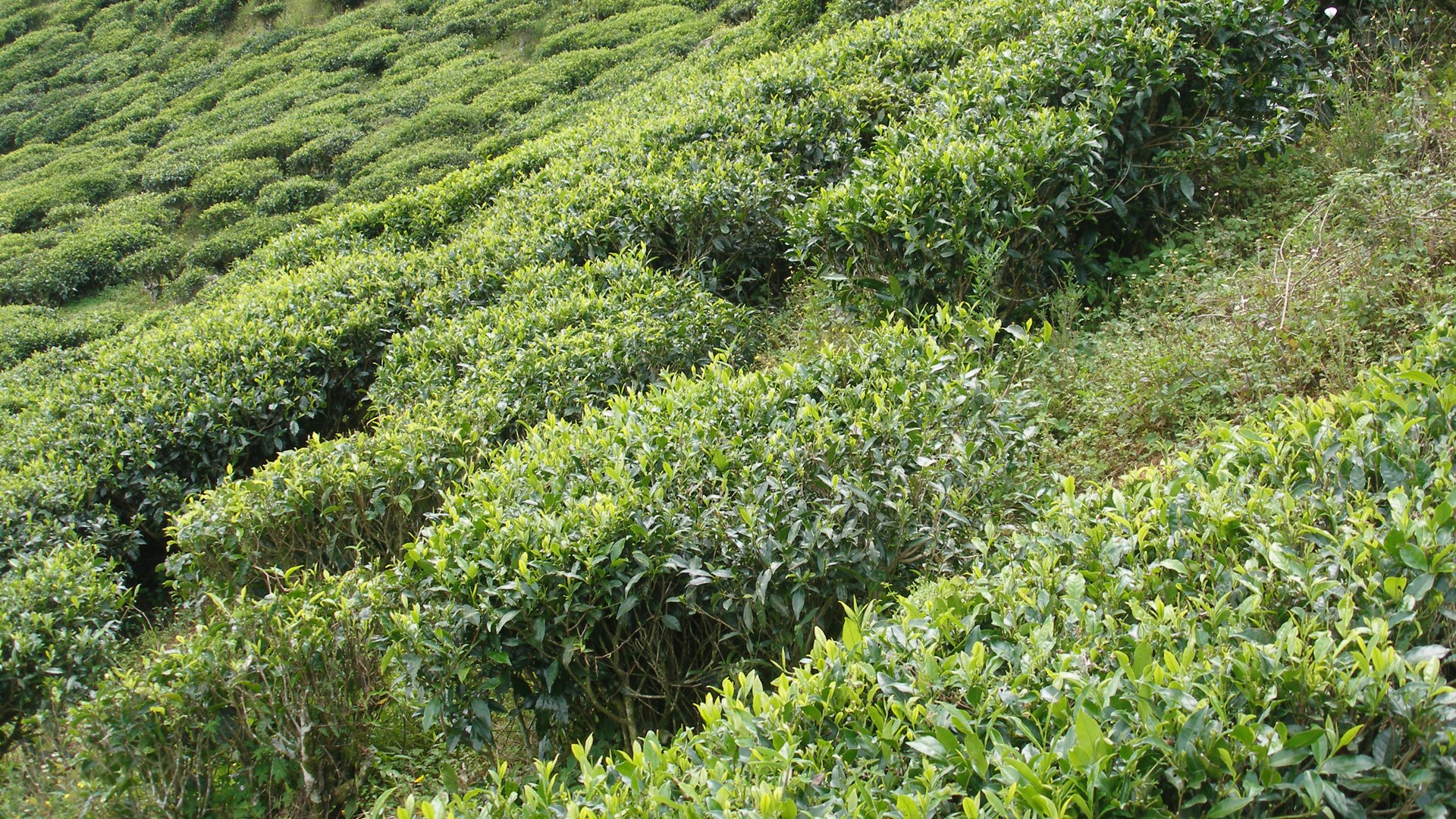
High grown tea production in Sri Lanka has reached an all-time low, marking a significant contraction for an industry that has long been central to the nation's agricultural economy and export revenue. The high grown category, which encompasses teas cultivated at elevations above 1,200 meters and commands premium prices in international markets, has seen output fall to levels not previously recorded.
The decline underscores mounting pressures facing Sri Lanka's tea industry, which has grappled with multiple headwinds in recent years. Labor shortages, rising production costs, and adverse weather conditions have combined to constrain output across tea estates, particularly in the island's central highlands where high grown varieties are primarily cultivated.
Industry observers warn that the contraction poses risks to tea estate workers, regional economies dependent on tea cultivation, and the country's foreign exchange earnings. Tea remains one of Sri Lanka's principal export commodities, and the high grown segment represents a particularly valuable portion of overall production due to the premium quality and pricing associated with these varieties.
Stakeholders in Sri Lanka's tea sector have called for urgent intervention to address underlying structural challenges affecting production capacity. Potential measures under consideration include support mechanisms for estate workers, investment in agricultural infrastructure, and initiatives to attract younger generations to tea cultivation.
Photo: A tea plantation near Nuwara Eliya in Sri Lanka's hill country, November 2007. Vyacheslav Argenberg via Wikimedia Commons (CC BY 4.0).