Technology · Sri Lanka Bureau
Sri Lanka's plantations turn to automation as worker shortage bites
Facing persistent labour challenges, Sri Lanka's tea estates and plantations are increasingly adopting mechanisation and data-driven management to maintain productivity. The shift marks a significant transformation in how the country's historic agricultural sector operates.
LSN Sri Lanka ·
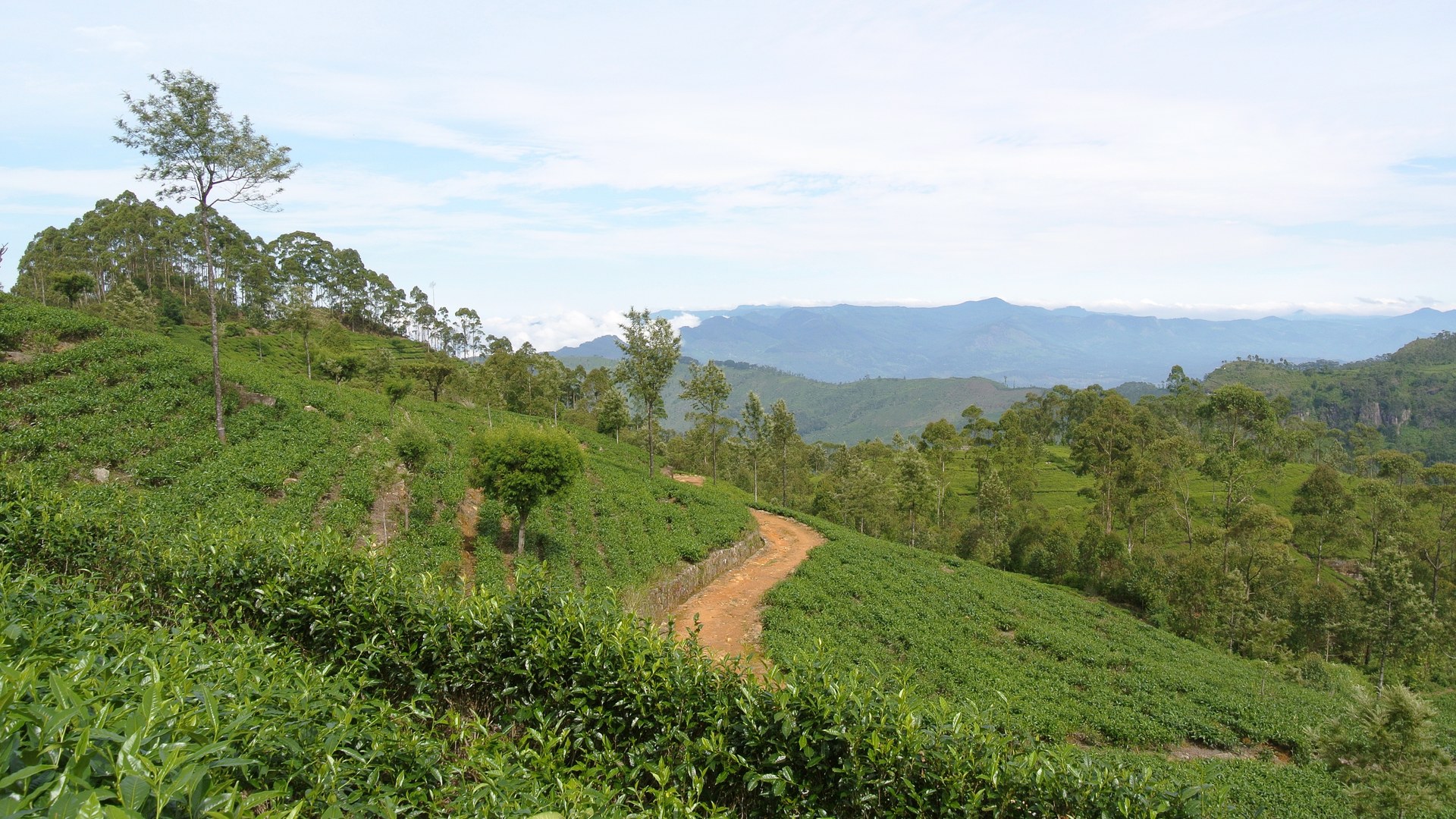
Sri Lanka's plantation industry is undergoing rapid modernisation as acute labour shortages force estate managers to embrace technology and innovation across operations. Across tea estates and other plantations nationwide, machines now perform tasks that were traditionally carried out manually, while digital systems and data analytics are being deployed to optimise resource management and decision-making.
The transition reflects mounting pressures on the sector, which has long relied on hand-based harvesting and cultivation methods. Worker availability has become increasingly constrained, prompting plantation companies to invest in mechanical solutions and technological infrastructure to bridge the gap between labour demands and available workforce capacity.
Beyond mechanisation, estates are adopting data-driven approaches to enhance efficiency. Software systems now assist managers in monitoring crop health, predicting yields, and allocating resources more precisely than conventional methods allow. These tools enable estates to maintain productivity levels despite workforce constraints.
The transformation also signals a shift in the type of worker required on plantations. While manual labourers remain essential, estates increasingly need technicians and data specialists to operate and maintain new equipment and systems. Industry observers note that this phase represents a fundamental evolution in how Sri Lanka's plantation sector—a cornerstone of the nation's economy—manages production and sustainability amid changing labour market conditions.
Photo: A tea plantation at Dambatenne estates, Haputale, Sri Lanka, May 2013. Adbar via Wikimedia Commons (CC BY-SA 3.0).