World · World News Bureau
Sri Lanka's tea wealth masks persistent inequality for plantation workers
Despite Ceylon tea's reputation as a premium global commodity, workers on Sri Lanka's sprawling plantations face entrenched poverty and limited economic mobility. The disconnect between the industry's international prestige and domestic labor conditions raises questions about equity in the nation's most valuable export sector.
LSN World News ·
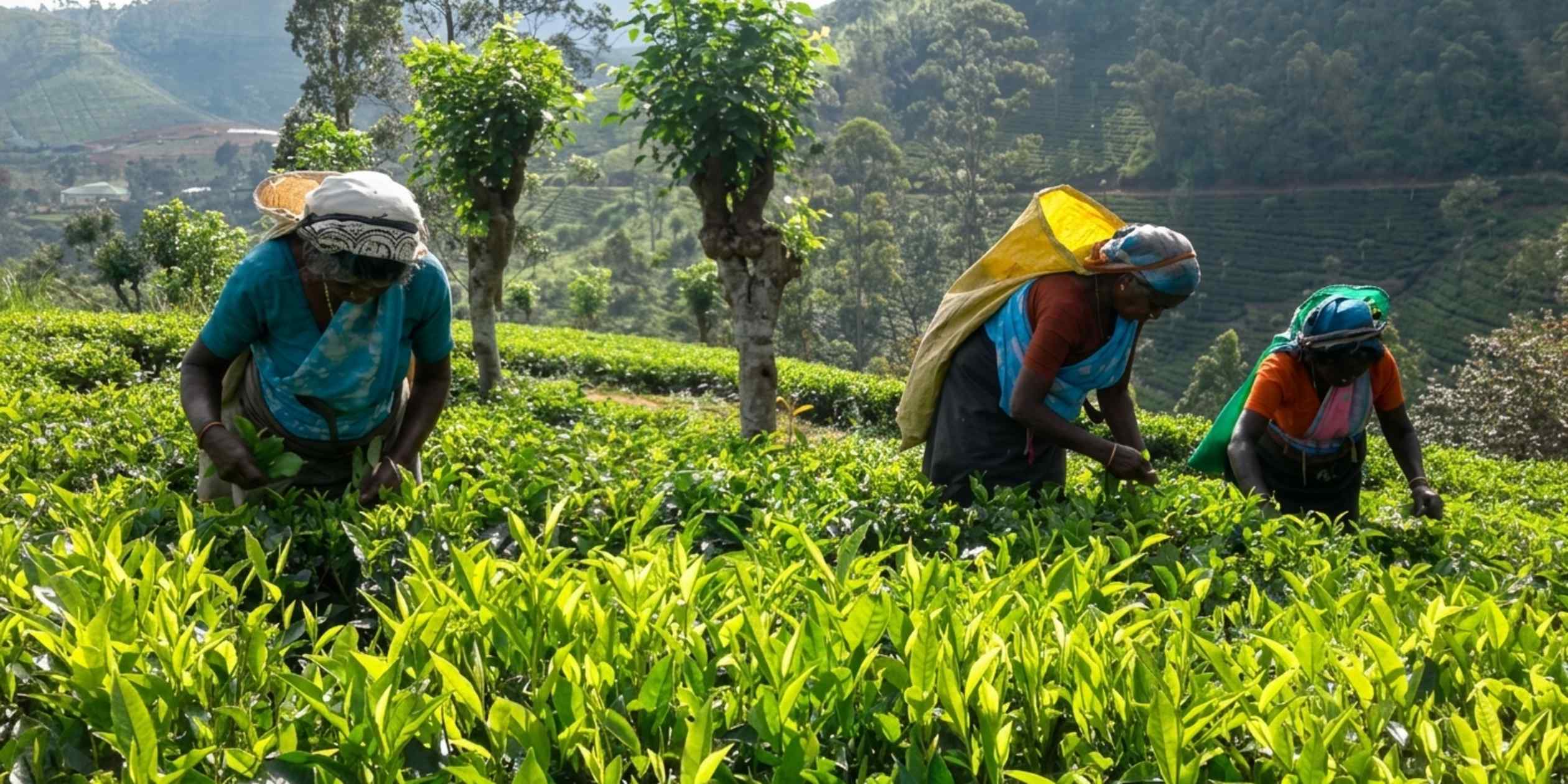
Sri Lanka's tea industry, accounting for significant export revenues and employing hundreds of thousands, has long projected an image of sophistication and quality on world markets. Yet beneath this polished exterior lies a structural divide between the wealth generated by Ceylon tea and the material circumstances of those who harvest it.
Plantation workers, predominantly from marginalized communities, labor in challenging highland conditions for wages that have stagnated relative to living costs. Housing, education, and healthcare access remain inadequate across major tea-growing regions, perpetuating cycles of poverty despite the industry's profitability. Workers' children often have limited pathways to employment outside the plantations, constraining social mobility.
The disparity reflects broader issues in Sri Lanka's agricultural economy, where value distribution favors exporters, processors, and traders over primary producers. While global demand for Ceylon tea remains robust, competitive pressures have incentivized cost-cutting measures that prioritize profit margins over worker welfare. Wage levels have not meaningfully increased in recent years despite inflation and rising production costs.
Labor advocates and development organizations have called for greater investment in worker communities and stronger enforcement of employment standards. Industry stakeholders argue that improved conditions require international support and fair-trade pricing mechanisms. As Sri Lanka seeks to maintain its tea sector's global competitiveness, policymakers face mounting pressure to address the equity gap that has characterized the industry for decades.