World · Sri Lanka Bureau
Sri Lanka's Tusked Elephants Face Recurring Cycles of Conflict and Loss
Historical patterns of elephant deaths in Sri Lanka raise concerns about whether authorities are adequately addressing the underlying causes of human-wildlife conflict. The cases of notable tuskers like Bhathiya and Kawanthissa highlight a troubling repetition in the island's approach to managing its dwindling elephant population.
LSN Sri Lanka ·
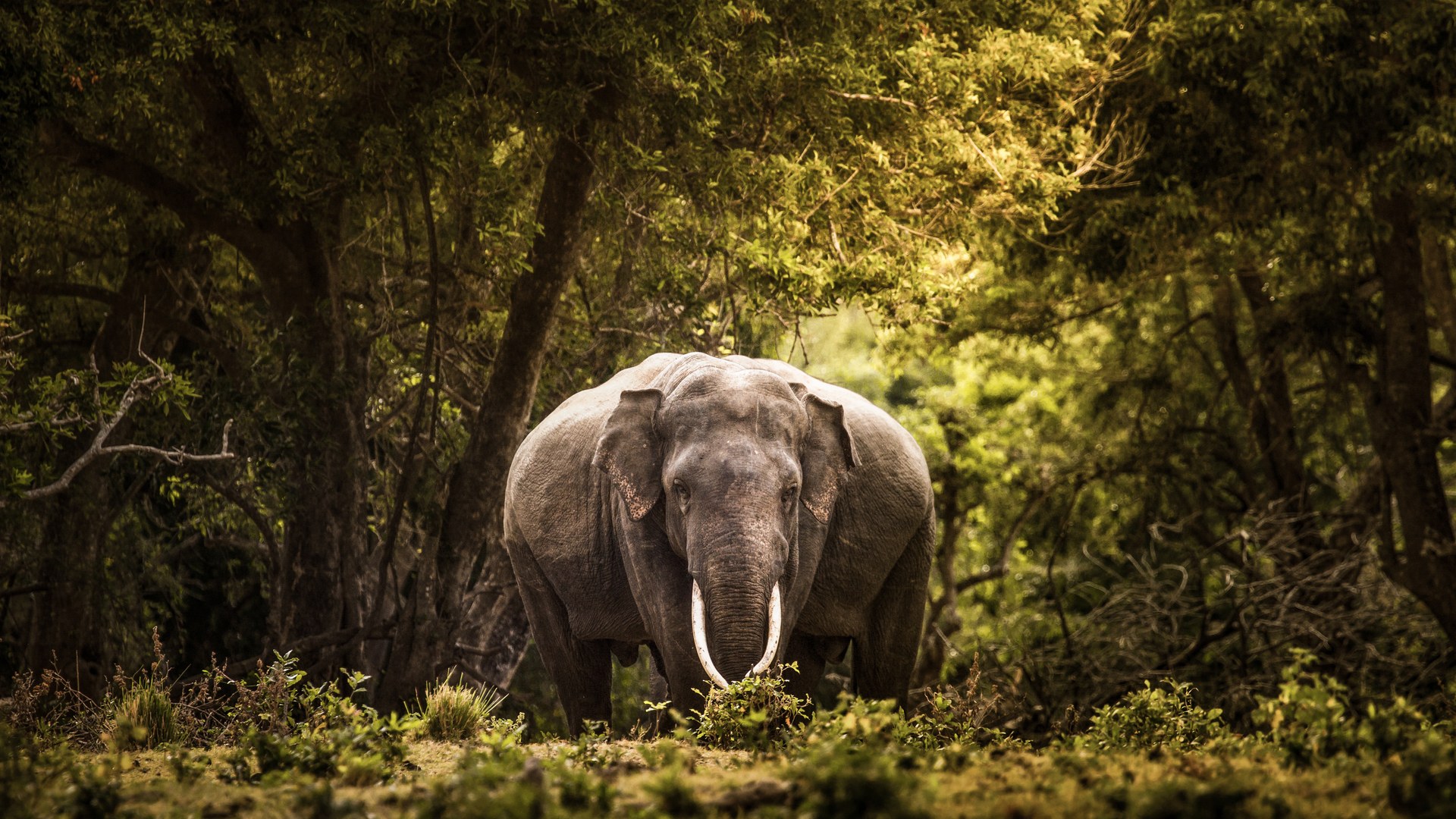
Sri Lanka's relationship with its elephant population has long been marked by cycles of conflict and tragedy, with recent incidents suggesting little progress in breaking destructive patterns. The deaths and circumstances surrounding prominent tuskers have become emblematic of broader failures in conservation strategy and human-wildlife coexistence management across the island.
Historical records of significant elephant losses indicate that Sri Lanka continues to grapple with similar challenges that have plagued wildlife management for decades. Each high-profile incident involving iconic tuskers draws renewed attention to the fundamental disconnect between conservation efforts and the ground-level realities facing both human communities and elephant herds competing for limited resources.
Conservationists and wildlife experts increasingly point to the need for comprehensive policy reforms addressing habitat fragmentation, human settlement in wildlife corridors, and inadequate enforcement of protective measures. The recurring nature of these incidents suggests that reactive responses to individual cases have failed to resolve systemic issues threatening the survival of Sri Lanka's wild elephants.
Without substantive changes to land-use planning, community engagement, and resource allocation for wildlife protection, experts warn that Sri Lanka risks perpetuating a cycle where each generation confronts the same preventable tragedies. The challenge remains whether policymakers will implement transformative measures before the island loses more of its irreplaceable natural heritage.
Photo: A Sri Lankan tusker at Kala Wewa National Park, Sri Lanka, July 2019. Senthiaathavan via Wikimedia Commons (CC BY-SA 4.0).