Culture & Entertainment · Sri Lanka Bureau
Sri Lanka struggles to forge political consensus two decades after war's end
Two decades after the military defeat of the LTTE, Sri Lanka has yet to achieve genuine post-war reconciliation and meaningful development, raising questions about political leadership and national direction.
LSN Sri Lanka ·
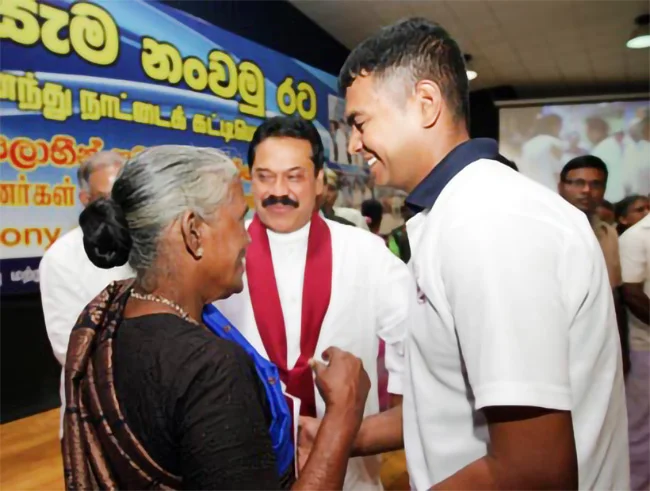
Sri Lanka's failure to build political consensus in the 20 years since the conclusion of the Eelam War continues to hamper the nation's progress toward genuine reconciliation and sustainable development.
Observers point to the absence of a coherent national strategy for healing deep-seated divisions and addressing the legacies of conflict. Rather than moving forward with unified purpose, successive governments have pursued fragmented approaches that have done little to bridge communal gaps or foster trust among affected communities.
The lack of consensus extends beyond immediate post-war reconstruction efforts. Disagreements over transitional justice mechanisms, memorialization, and accountability have prevented the emergence of a shared national narrative that could guide the country toward genuine healing and coexistence.
Political leaders face mounting pressure to articulate a credible vision for post-war Sri Lanka that acknowledges past suffering while building inclusive institutions capable of serving all communities. Without such consensus, analysts warn, the nation risks perpetuating cycles of mistrust and missed opportunities for development that could benefit all citizens.
The challenge remains one of political will and leadership, as the country seeks to transform the military conclusion of conflict into the foundation for lasting peace and prosperity.