World · India Bureau
Stanford researchers grow human brain tissue in mice to repair cortex damage
Scientists at Stanford University have successfully cultivated human brain tissue inside mice, regenerating over 90 percent of damaged cortical regions. The breakthrough offers potential new avenues for treating severe brain injuries and neurological conditions.
LSN India ·
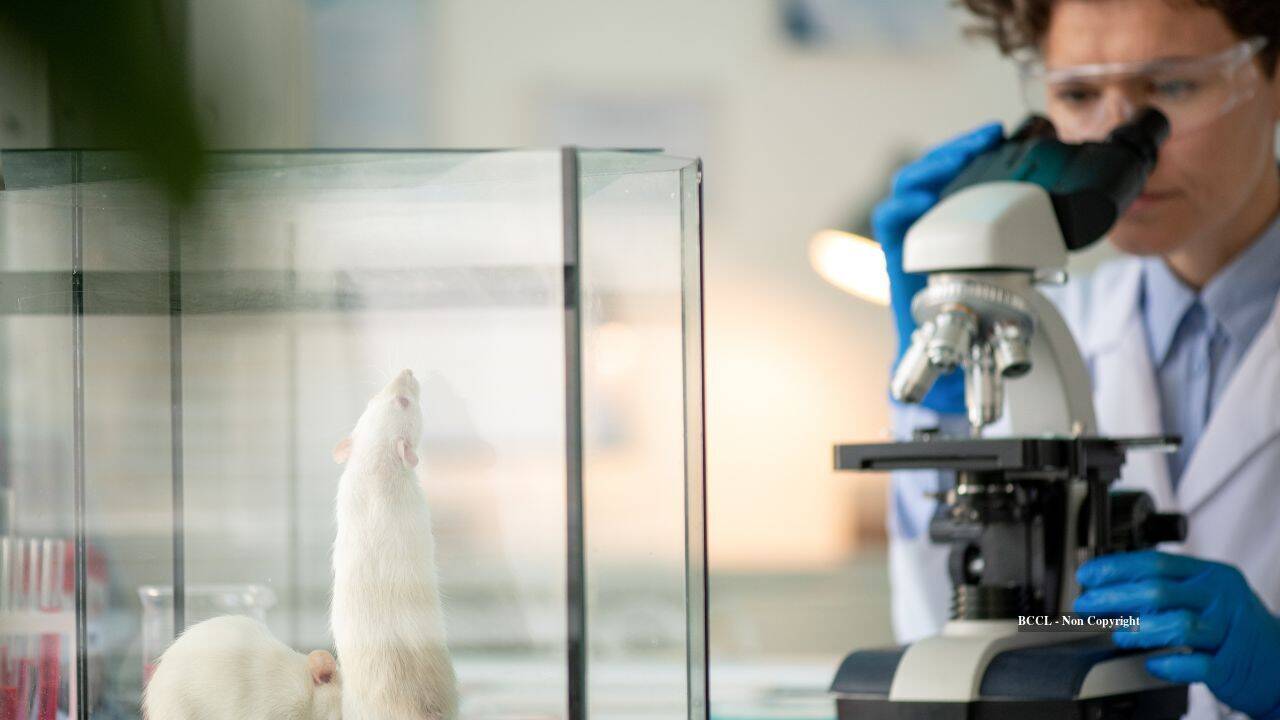
Researchers at Stanford University have achieved a significant milestone in regenerative neuroscience by growing human brain tissue within mice to repair extensive cortical damage. The engineered tissue successfully filled more than 90 percent of the missing brain cortex space in the experimental subjects, marking a substantial advance in understanding how human neural tissue can be regenerated.
The study demonstrates that human brain cells can integrate and function within the rodent brain environment, suggesting possibilities for future therapeutic applications. Scientists transplanted human neural progenitor cells into mice with cortical deficits, and the cells developed into functional brain tissue that replaced damaged regions. The successful integration indicates that the human tissue was able to establish appropriate neural connections and contribute to brain function.
While the current research focuses on mice, the findings could have implications for treating human patients with severe brain injuries, stroke damage, or degenerative neurological conditions. The ability to regenerate cortical tissue offers hope for addressing conditions where large portions of brain matter are lost or damaged. Researchers note that extensive further study will be required before such techniques could be considered for human clinical application.
The work represents a collaboration across multiple research disciplines, combining developmental biology, neuroscience, and regenerative medicine. The Stanford team plans to conduct additional studies to better understand how the human neural tissue functions within different neural environments and whether such approaches might eventually help restore cognitive or motor function in damaged brains.