World · India Bureau
State-Backed Arms Transfers to Non-State Groups Raise Regional Security Concerns
Intelligence assessments suggest several governments are supplying weapons to non-state armed groups, potentially using them as proxies to advance strategic interests. The full extent of these arrangements remains unclear.
LSN India ·
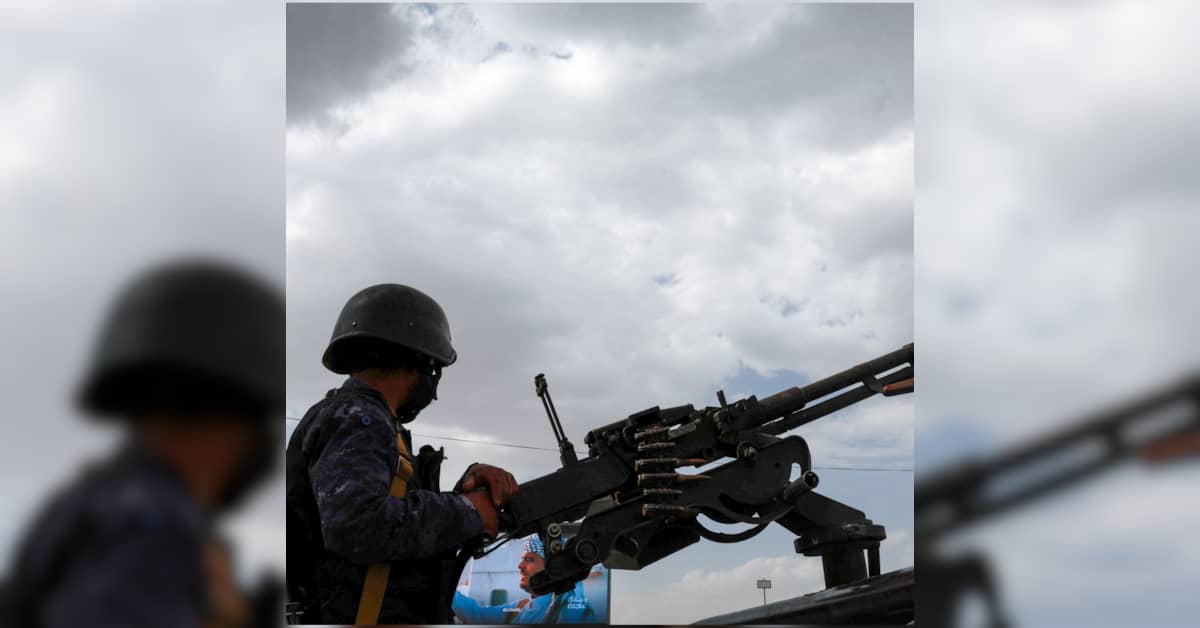
Recent reports indicate that state actors across South and Southeast Asia are transferring military equipment and weaponry to non-state armed groups, raising concerns about regional stability and the proliferation of uncontrolled armed forces. Security analysts suggest that several governments view these groups as useful instruments for advancing foreign policy objectives while maintaining plausible deniability.
The practice appears to involve arming proxy forces that operate in areas of strategic interest or conflict zones where direct state intervention would be politically difficult. By channeling weapons through intermediaries, governments can extend their influence while avoiding the direct accountability associated with conventional military operations.
However, the precise scope and mechanics of these arrangements remain opaque. Intelligence agencies in the region have documented certain transfers, but comprehensive data on the scale of weapons flows, the number of groups involved, and the specific arrangements between state and non-state actors is limited. This lack of transparency complicates efforts by regional security institutions to monitor and address the issue.
Experts warn that arming non-state groups creates unpredictable consequences, including the risk that supplied weapons could be redirected toward unintended targets or stolen by criminal networks. The practice also complicates peace-building efforts in conflict zones where armed groups possess state-supplied equipment and resources.
Regional governments and international observers have called for greater transparency regarding military transfers to non-state actors and stronger controls over weapons supplies to prevent destabilization.