Politics · India Bureau
State Control Policies May Worsen Stubble Burning Crisis, Study Finds
A new analysis from researchers at the Indian Institute of Management, Amritsar suggests that existing government interventions could be exacerbating the stubble burning problem rather than resolving it. The study examines how regulatory approaches interact with market dynamics to shape farmer behaviour.
LSN India ·
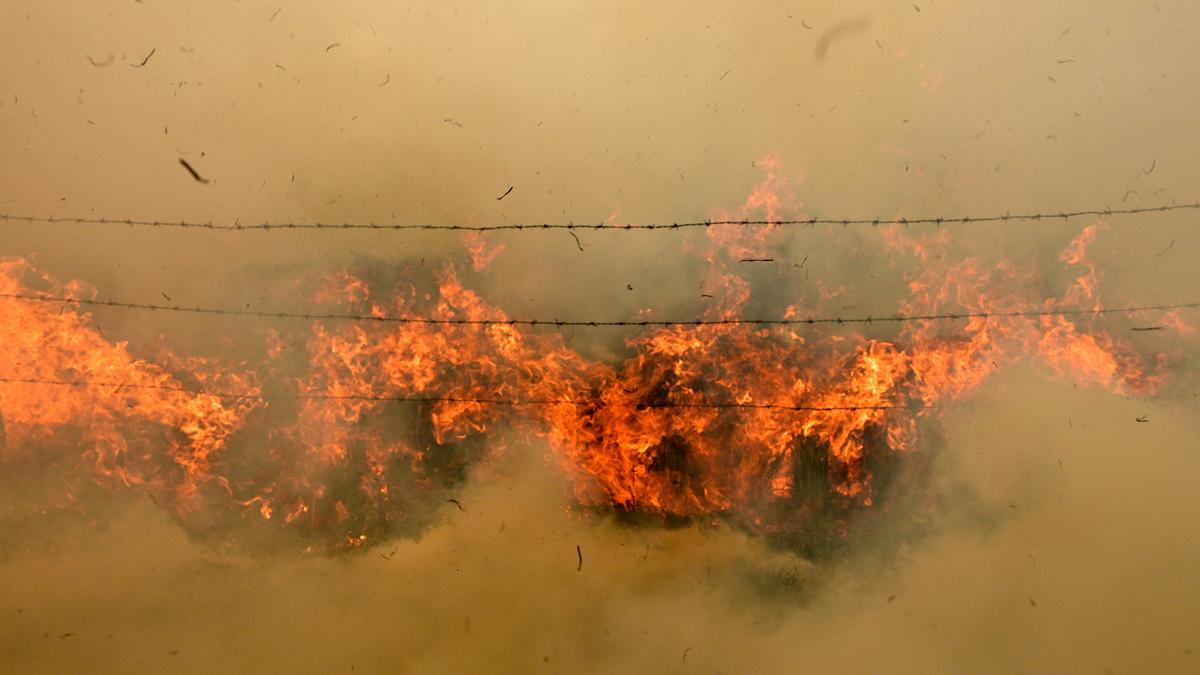
Researchers at the Indian Institute of Management, Amritsar have offered a fresh perspective on India's persistent stubble burning challenge, arguing that the way governments exercise control may inadvertently make the problem worse.
The analysis by Sujit Raghunathrao Jagadale and Javed M. Shaikh applies the concept of 'governmentality'—how state policies and regulatory frameworks shape behaviour—to understand why stubble burning remains widespread despite decades of intervention efforts. Their work suggests that current government approaches may not adequately account for the underlying economic incentives and constraints facing farmers across major agricultural regions.
The researchers contend that stubble burning persists partly due to market failures that existing policies fail to address. When government regulations impose restrictions without creating viable economic alternatives, farmers often continue existing practices. The study indicates that understanding the intersection of state control mechanisms and market dynamics is essential to developing more effective solutions.
The findings add to growing evidence that tackling agricultural stubble burning requires policy approaches that go beyond regulatory restrictions. Researchers suggest policymakers must consider how their interventions interact with economic realities on the ground to create lasting behavioural change among farming communities facing significant economic pressures during harvest seasons.