Politics · India Bureau
State governments balance act: funding social needs amid fiscal pressures
India's state governments face mounting challenges reconciling heavy spending on social and economic sectors with limited revenue resources. The resulting fiscal gaps are increasingly bridged through market borrowings, raising concerns about long-term sustainability.
LSN India ·
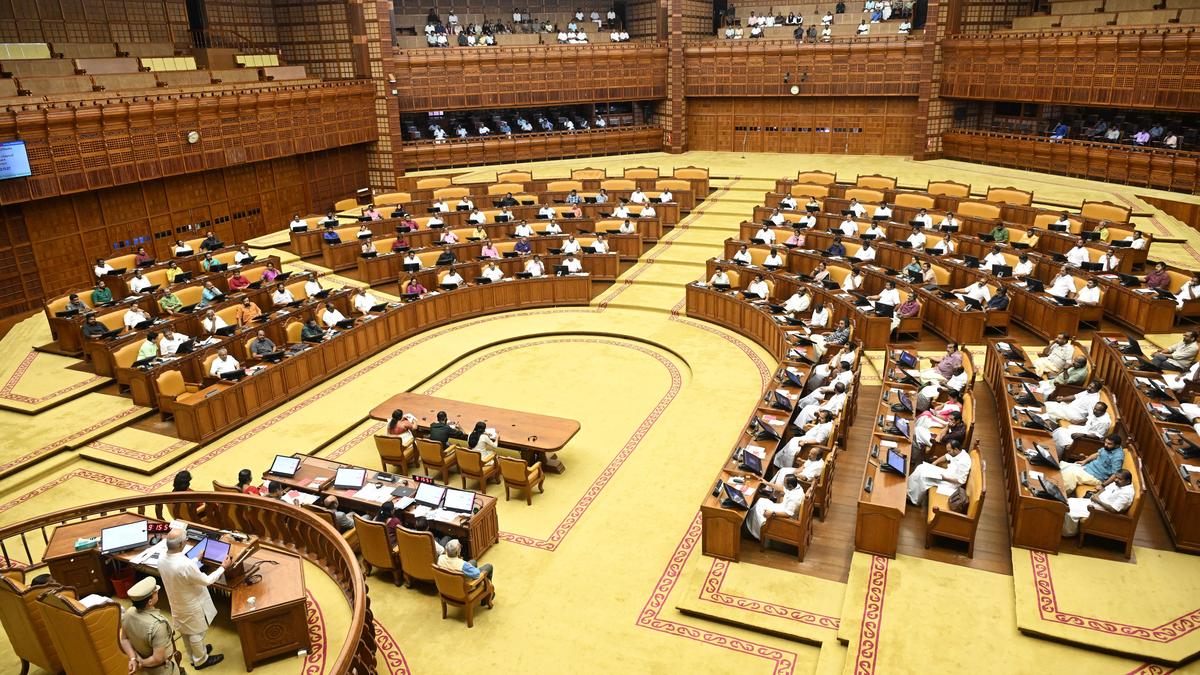
State governments across India dedicate substantial portions of their budgets to critical social sectors including health and education, alongside economic priorities such as agriculture and irrigation. This spending pattern reflects the fiscal commitment states have made to drive development and welfare outcomes.
Kerala exemplifies how sustained investment in social sectors over decades has yielded measurable progress. Since the 1960s, the state's emphasis on health and education spending has contributed to improved social indicators and quality of life measures, establishing a model that other states have sought to emulate.
However, the gap between state expenditure and revenue receipts has widened considerably, forcing governments to rely increasingly on market borrowings to finance their spending commitments. This approach, while enabling states to maintain essential services and development initiatives, has created structural fiscal challenges that demand careful management.
The reliance on borrowed funds to bridge revenue shortfalls raises questions about fiscal sustainability and the long-term debt burden facing state administrations. As borrowing costs and debt servicing obligations grow, states face mounting pressure to either enhance revenue collection or rationalize expenditure—choices that carry significant political and social implications.
Experts suggest that state governments must balance immediate social needs against long-term fiscal health, necessitating improved revenue mobilization, enhanced efficiency in public spending, and potentially revised borrowing strategies to ensure sustainable development outcomes.