Business · India Bureau
States clash over mining amendment limiting fiscal autonomy
A proposed constitutional amendment to regulate mining has exposed deep divisions among states, with their support varying sharply based on revenue dependence and political considerations.
LSN India ·
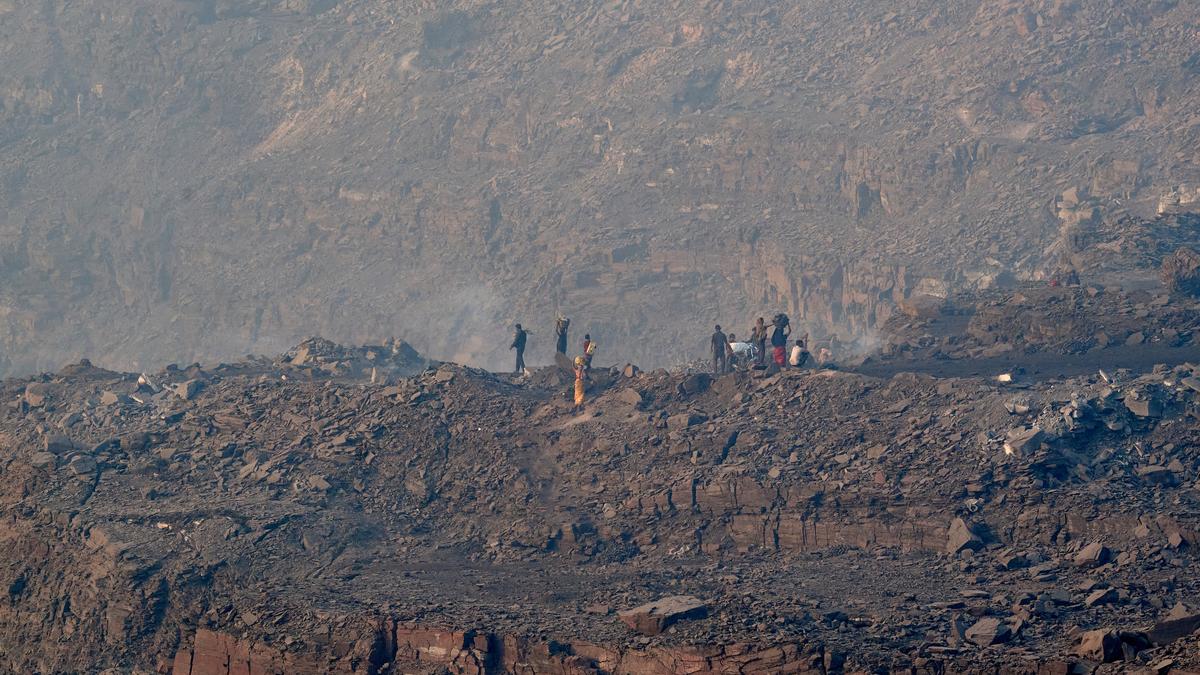
States across India are increasingly at odds over a mining amendment that threatens to constrain their fiscal authority, with divergent responses reflecting each state's economic reliance on mineral extraction and political calculations. The proposed measure has created an unusual coalition of opposition, cutting across party lines and regional boundaries as states grapple with potential revenue implications.
Mineral-rich states appear most vulnerable to the amendment's provisions, which would limit their ability to independently manage mining operations and associated revenues. States with significant mining sectors face pressure to align either with or against the proposal based on how substantially the changes would impact their treasuries and development funding.
Political alignment has emerged as a secondary factor shaping state positions. Some states have aligned their stance with the central government's broader policy framework, while others have prioritized local economic interests over national consensus, reflecting the complex interplay between federal and state authority in India's federal structure.
The division underscores persistent tensions over resource control and fiscal federalism in India. As negotiations continue, state governments are carefully calculating the long-term impact of ceding regulatory control over mining, balancing concerns about autonomy against pressure to harmonize national policy standards.