Politics · India Bureau
Storm Sparked Highway Plan That Sparked Conservation Victory
A devastating 1962 nor'easter prompted American urban planner Robert Moses to propose a highway across Fire Island in New York. Local resistance to the project ultimately led to the creation of a national seashore, preserving the barrier island's natural landscape.
LSN India ·
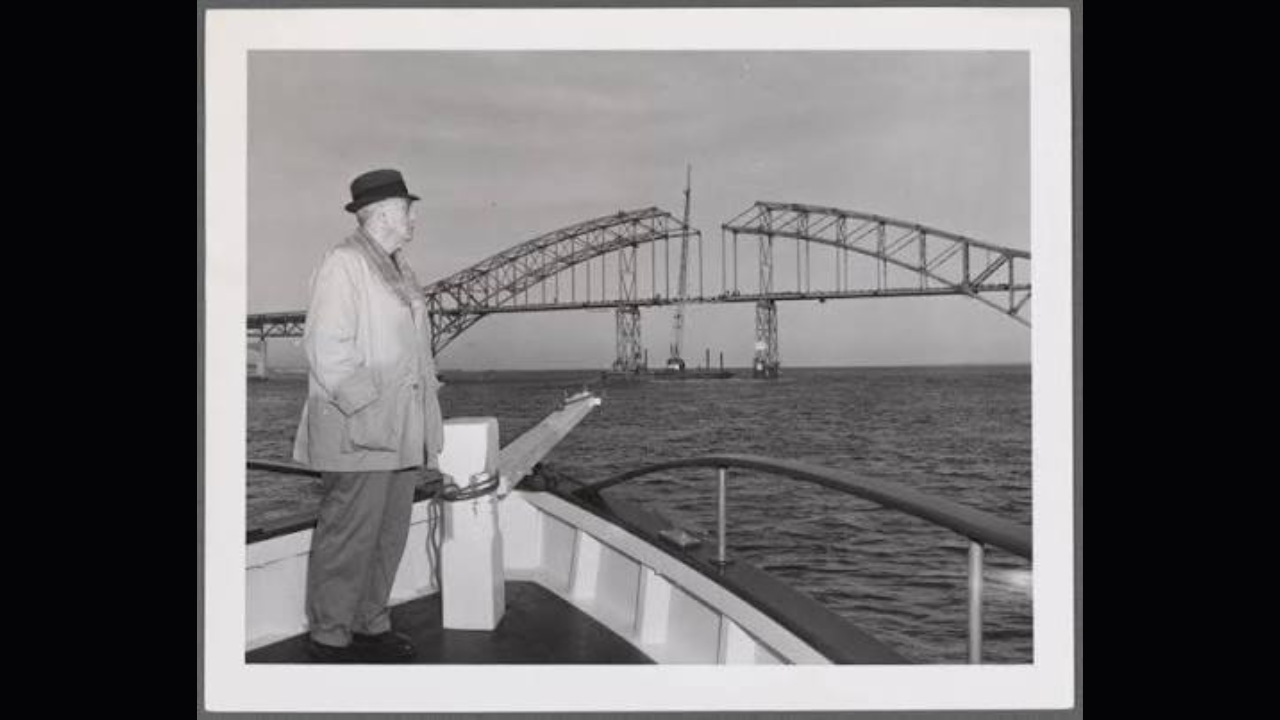
The powerful nor'easter that struck Fire Island in 1962 set in motion a development proposal that would reshape how Americans viewed coastal preservation. In the storm's aftermath, prominent urban planner Robert Moses seized the opportunity to advocate for a highway project along the New York barrier island, viewing infrastructure development as essential for the region's future.
The proposal, however, encountered fierce opposition from Fire Island's residents and property owners who feared the highway would irreversibly damage their community and the island's fragile ecosystem. What emerged was a grassroots conservation movement that galvanized local activism across the island, with residents united against the project's environmental and social costs.
The opposition movement gained crucial traction when it attracted support from federal authorities. Recognizing the value of preserving the island's natural character, the federal government backed the creation of Fire Island National Seashore in 1964. The establishment of the national seashore effectively halted the highway proposal and created a protected area spanning much of the barrier island.
The preservation of Fire Island stands as a significant example of how community activism and environmental concerns can influence government policy. The national seashore continues to protect the island's pristine beaches, wildlife habitats, and natural dunes more than half a century after its establishment, demonstrating the long-term impact of the residents' decision to resist development.