World · India Bureau
Strait of Hormuz Could Lose Strategic Importance Within Five Years
A prominent business executive has predicted that the Strait of Hormuz, one of the world's most critical oil shipping routes, may become economically redundant within the next five years. The projection comes as geopolitical tensions continue to threaten global energy supplies dependent on the strategic waterway.
LSN India ·
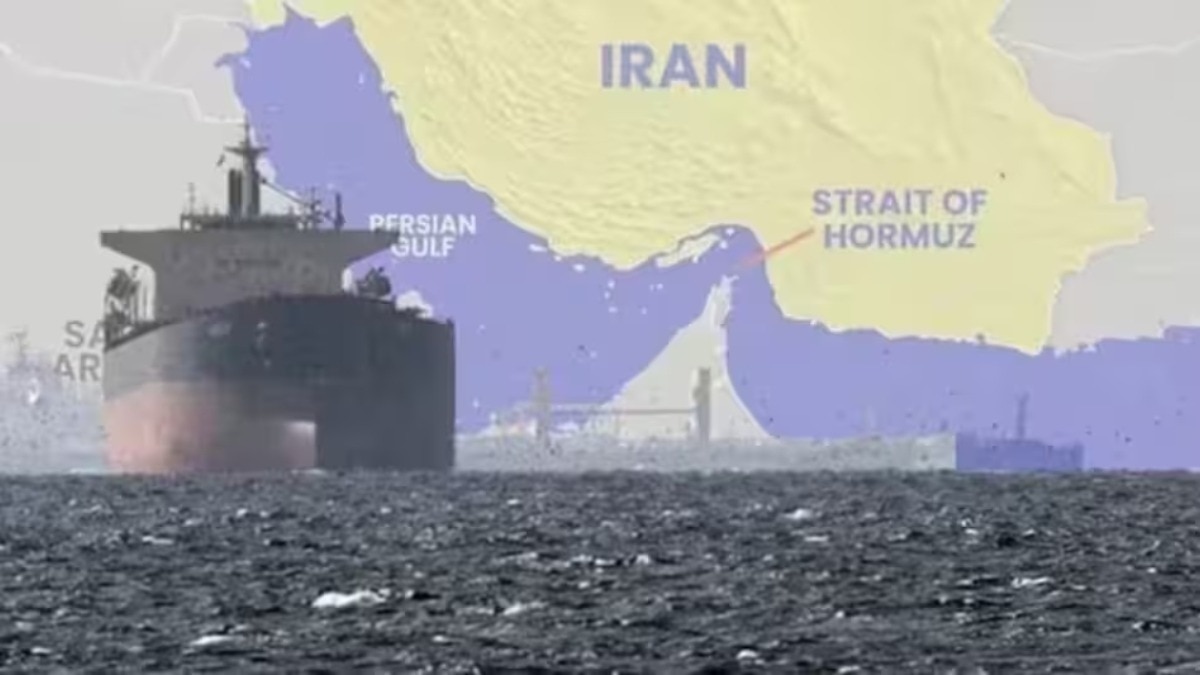
The Strait of Hormuz, through which roughly one-third of global maritime petroleum trade passes, faces an uncertain future due to mounting geopolitical instability and shifting energy dynamics, according to a senior industry figure. The executive's forecast suggests that technological advancement and changing energy consumption patterns could significantly diminish the strait's importance to international commerce within half a decade.
Recent tensions between the United States and Iran have already demonstrated the strait's vulnerability as a critical chokepoint for global energy markets. Disruptions to shipping through the waterway have sent shockwaves through the international economy, with oil-importing nations acutely exposed to supply interruptions. These incidents have prompted major economies to reassess their strategic dependence on this single shipping corridor.
The executive's projection reflects broader industry trends toward energy diversification and alternative technologies. Renewable energy adoption, shifts in global consumption patterns, and the development of alternative transportation routes are among factors that could reduce reliance on the Strait of Hormuz for international energy security. Such developments would fundamentally reshape maritime trade routes and geopolitical calculations in the region.
India, as a major importer of crude oil, has significant stakes in the stability of the Strait of Hormuz and the reliability of global energy supplies. Any major shift in shipping patterns or energy sourcing would carry substantial implications for the country's energy security and economic planning.