World · Malaysia Bureau
Strait of Hormuz shipping activity remains subdued as US-Iran tensions persist
Maritime transits through the strategically vital Strait of Hormuz continue at reduced levels as Washington and Tehran maintain their standoff over nuclear negotiations and sanctions. The impasse has created uncertainty for shipping operators navigating one of the world's most critical oil transit routes.
LSN Malaysia ·
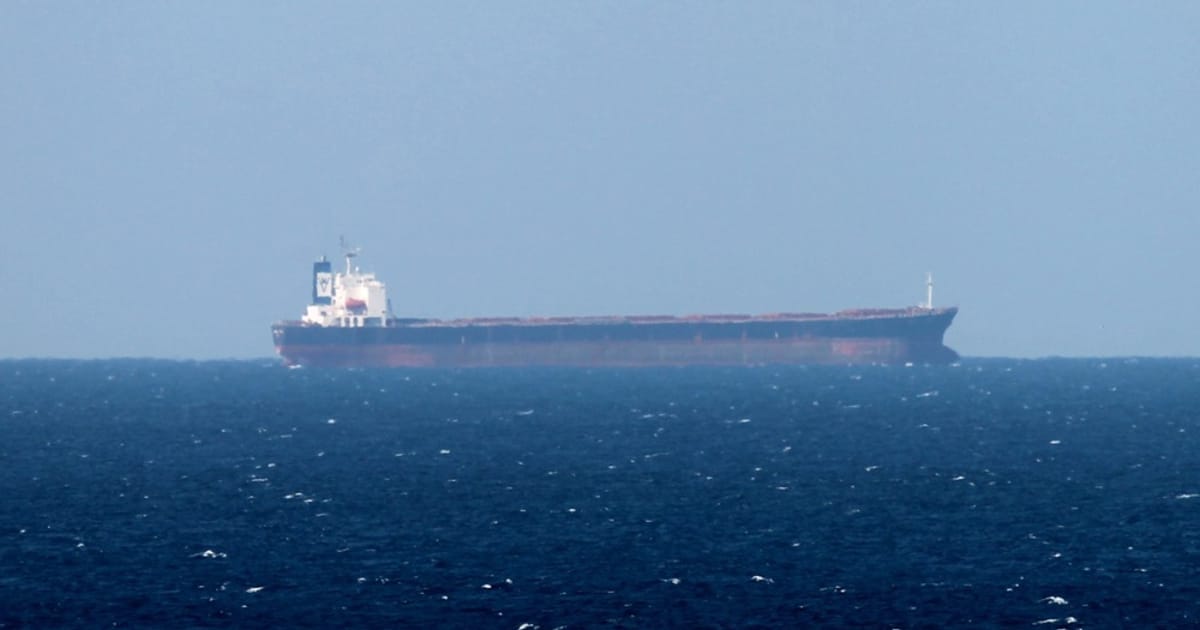
Vessel traffic flowing through the Strait of Hormuz, which handles roughly one-third of global seaborne crude oil exports, remains constrained amid the protracted dispute between the United States and Iran. Despite competing narratives from both capitals regarding the security situation and compliance with international agreements, shipping patterns indicate sustained caution among maritime operators.
The reduced transit volumes reflect broader concerns about regional stability and the potential for maritime incidents. Shipping companies continue to factor elevated insurance premiums and operational risks into their routing decisions, with some vessels opting for alternative routes despite longer transit times.
Neither side has reported significant escalation in recent weeks, yet the fundamental disagreements over Iran's nuclear program and US sanctions policy remain unresolved. This deadlock has created a prolonged period of uncertainty that keeps shipping activity dampened across the critical waterway.
The situation carries particular significance for energy markets across Asia, including Malaysia and other regional economies dependent on stable oil supplies. Industry observers note that any resolution to the US-Iran impasse could potentially ease shipping constraints and improve market confidence in Hormuz transits.