World · Malaysia Bureau
Strait of Hormuz traffic plummets as Iran tensions escalate
Six months of escalating hostilities between Iran and the United States have drastically reduced maritime traffic through the critical Strait of Hormuz, with daily transits falling to less than half their peak levels. The downturn threatens regional trade and leaves seafarers stranded amid heightened security concerns.
LSN Malaysia ·
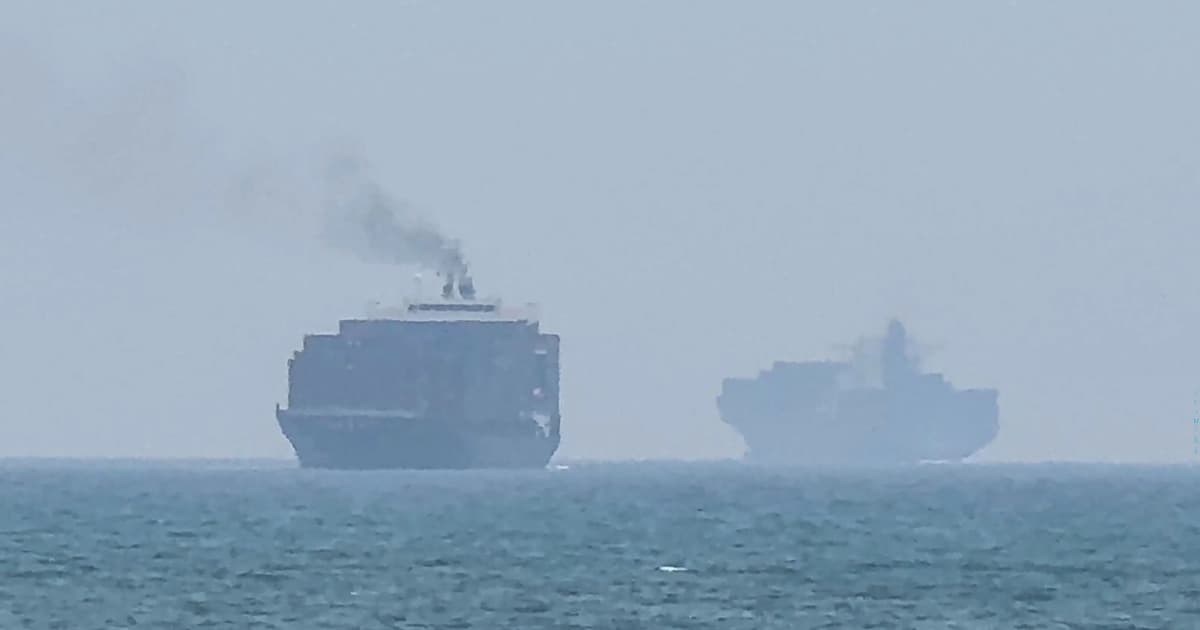
Daily transits through the Strait of Hormuz have plummeted to an average of 15 vessels, marking a sharp decline from pre-conflict levels as tensions between Iran and the United States intensify. The waterway, one of the world's most vital shipping routes, saw a brief respite in June when a ceasefire agreement temporarily boosted transits to 36 per day, offering hope for normalised commerce in the strategically crucial chokepoint.
However, the fragile peace collapsed on July 8 when hostilities resumed, sending shipping traffic into a sharp downward spiral. The renewed conflict has created a climate of fear among vessel operators and crews, with many choosing to avoid the strait entirely or delay passage through the waterway. The dramatic contraction in maritime activity underscores the vulnerability of global energy supplies and regional trade routes to geopolitical instability.
The reduction in traffic has left numerous seafarers stranded aboard vessels waiting for safe passage or stuck in regional ports unable to proceed. Shipping companies face mounting costs and scheduling challenges as vessels queue or seek alternative routes around Africa, significantly extending voyage times and adding substantial expenses to supply chains across Asia and beyond.
The Strait of Hormuz handles approximately one-third of global seaborne crude oil trade, making the current disruption a matter of concern for energy-dependent nations worldwide. Regional observers warn that prolonged instability could trigger broader economic consequences, particularly for Asian economies reliant on stable energy imports and efficient maritime trade corridors.