World · Malaysia Bureau
Strait of Hormuz vessel transits decline to seven daily average
Maritime traffic through the critical Strait of Hormuz has dropped sharply, with official counts showing only seven vessel transits daily. Analysts suggest the actual figure may be significantly higher due to ships operating with disabled transponders.
LSN Malaysia ·
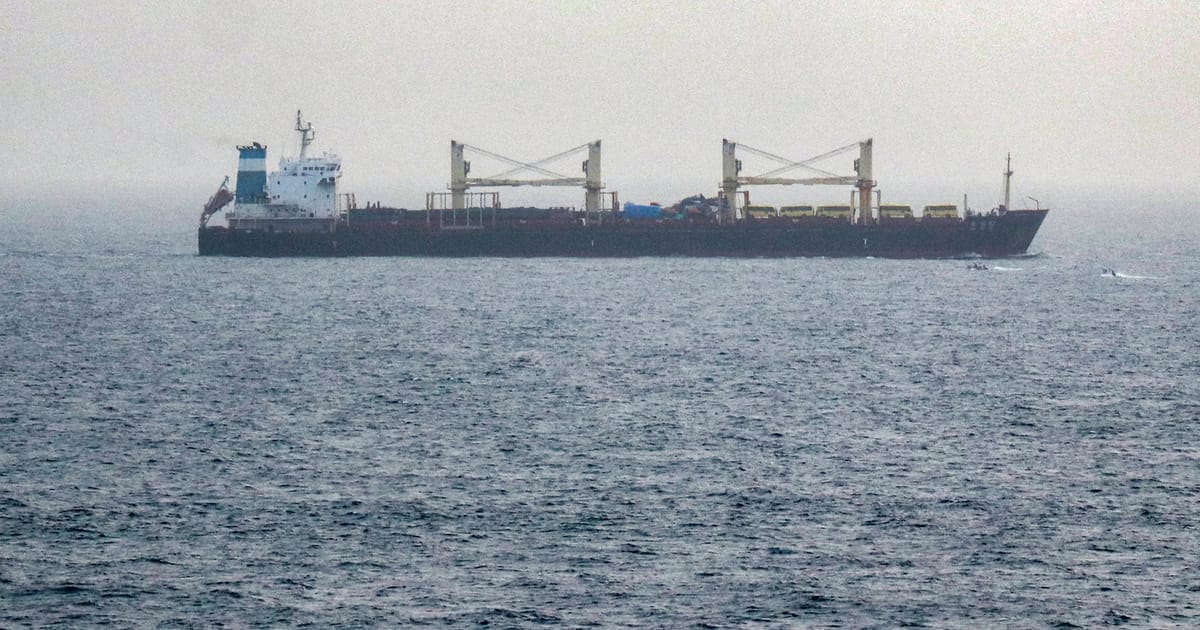
Recorded transit numbers for the Strait of Hormuz have plummeted to a seven-vessel daily average, marking a substantial decline in maritime activity through the vital waterway separating Iran and Oman. The strait handles a significant portion of global oil shipments, making traffic levels a key indicator of regional stability and international trade flows.
Official tracking data reflects only vessels transmitting automatic identification system (AIS) signals, which are typically used for maritime safety and navigation purposes. However, shipping analysts caution that these publicly available figures likely undercount actual traffic volume.
A notable proportion of vessels transiting the strait are believed to be operating with transponders deliberately switched off, rendering them invisible to conventional maritime monitoring systems. This practice, while raising questions about vessel origins and cargo, means the true number of daily transits exceeds documented records.
The discrepancy between reported and actual traffic underscores challenges in monitoring activity through one of the world's most strategically important waterways. The situation reflects ongoing tensions affecting regional shipping patterns and commercial navigation practices in the Persian Gulf region.