Politics · India Bureau
Strategic reforms can transform India's dryland farming sector, says Chouhan
Government officials have outlined a three-pronged approach to strengthen agricultural productivity in dryland regions through crop diversification, improved water management, and market development.
LSN India ·
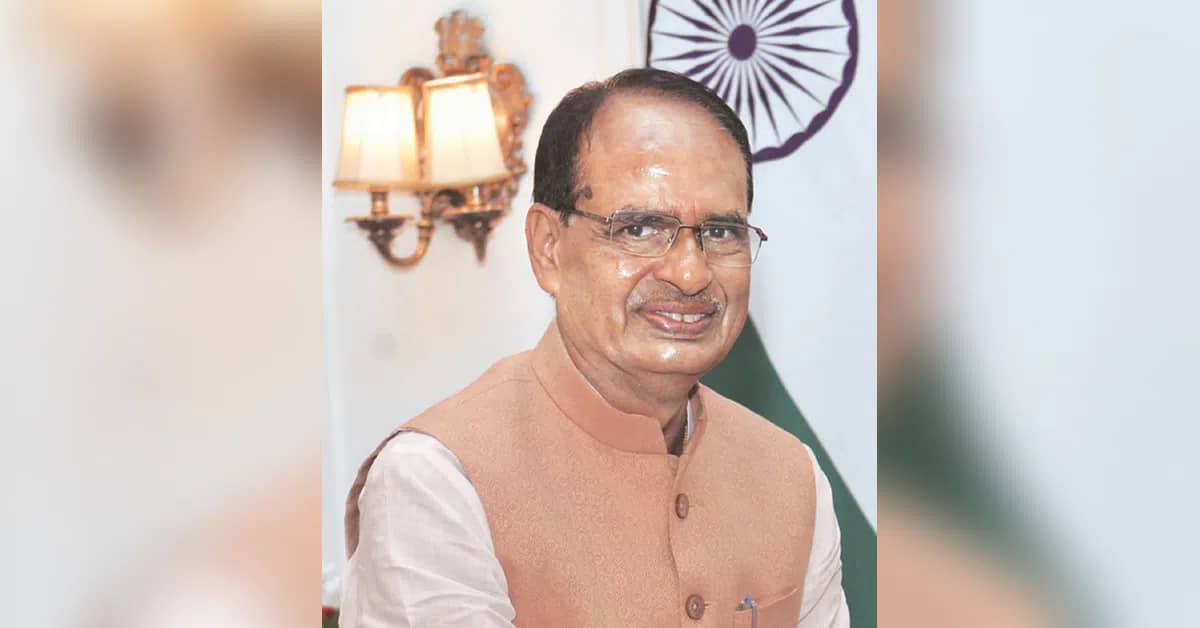
India's dryland farming sector can become a significant economic strength through coordinated policy interventions and market mechanisms, according to state government statements. The focus centres on moving beyond traditional cropping patterns toward alternatives better suited to water-scarce environments, while simultaneously improving the infrastructure that supports agricultural productivity in these regions.
Crop diversification forms a cornerstone of the proposed strategy, with officials advocating for farmers in dryland areas to explore alternative varieties and farming practices suited to local conditions. This shift aims to reduce dependency on water-intensive crops and increase resilience against climatic pressures that characterise arid and semi-arid zones across the country.
Water management improvements represent the second pillar of the approach, recognising that efficient utilisation of limited water resources remains critical for sustained agricultural output. Officials have highlighted the need for enhanced irrigation infrastructure, rainwater harvesting systems, and soil conservation techniques tailored to dryland conditions.
Strengthening market linkages constitutes the third component, with emphasis on ensuring farmers in dryland regions have reliable access to remunerative markets for their produce. Government officials argue that without viable market channels, productivity gains cannot translate into improved farmer incomes and rural prosperity.
The integrated approach reflects growing recognition that dryland agriculture requires specialised policies distinct from irrigated farming, and that technological and institutional reforms must work in tandem to unlock the sector's potential.