World · India Bureau
Stray dogs pose mounting threat to vulture populations in Thar
A new study reveals that feral dogs are significantly disrupting the feeding patterns of vultures in the Thar desert, forcing the birds to spend considerably less time foraging at open dump sites. The research highlights an emerging conservation challenge for vulture populations already facing numerous threats.
LSN India ·
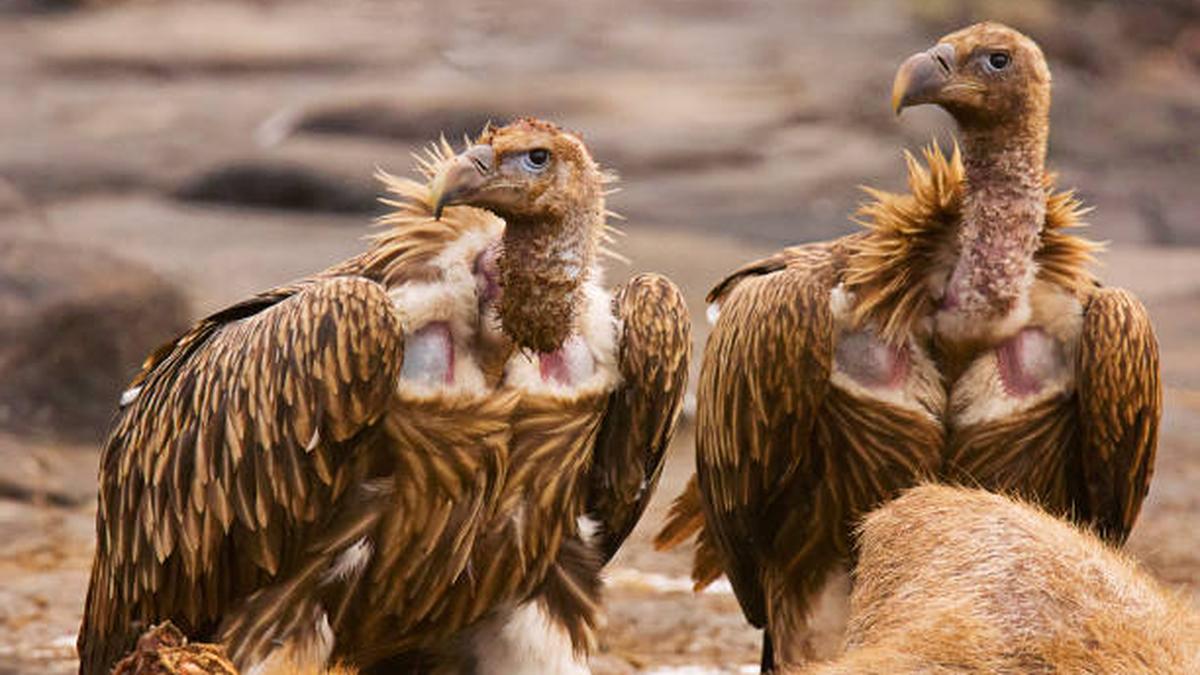
Scientists conducting field observations in the Thar desert have identified feral dogs as a major threat to vulture populations, with the animals forcing vultures to abandon feeding sites prematurely. The study compared vulture behaviour at open dump sites frequented by stray dogs against controlled, dog-free enclosures, revealing stark differences in feeding duration.
According to the research findings, vultures spent approximately half as long foraging at open dump sites as they did in dog-free environments. This reduced feeding time poses serious nutritional consequences for vulture populations already struggling with habitat loss and other environmental pressures. The presence of aggressive strays at feeding sites forces the birds to limit their time to scavenge for food.
The Thar desert, spanning parts of Rajasthan and Gujarat, is home to several vulture species whose populations have declined dramatically over recent decades. Vultures play a crucial ecological role as nature's cleanup crew, consuming carcasses that would otherwise decompose slowly and pose public health risks. The intrusion of feral dog populations into traditional vulture feeding grounds represents an additional obstacle to species conservation efforts.
Conservationists warn that this emerging threat requires urgent attention and integrated management strategies. Efforts to control stray dog populations and protect designated feeding areas may prove essential to ensure vultures can access adequate nutrition and maintain viable breeding populations in the region.