World · India Bureau
Street parking outside your home: Understanding India's vehicle regulations
Many Indian homeowners assume they have exclusive parking rights on public roads adjacent to their properties. However, legal experts clarify that proximity to one's residence does not confer ownership or exclusive use of public street space.
LSN India ·
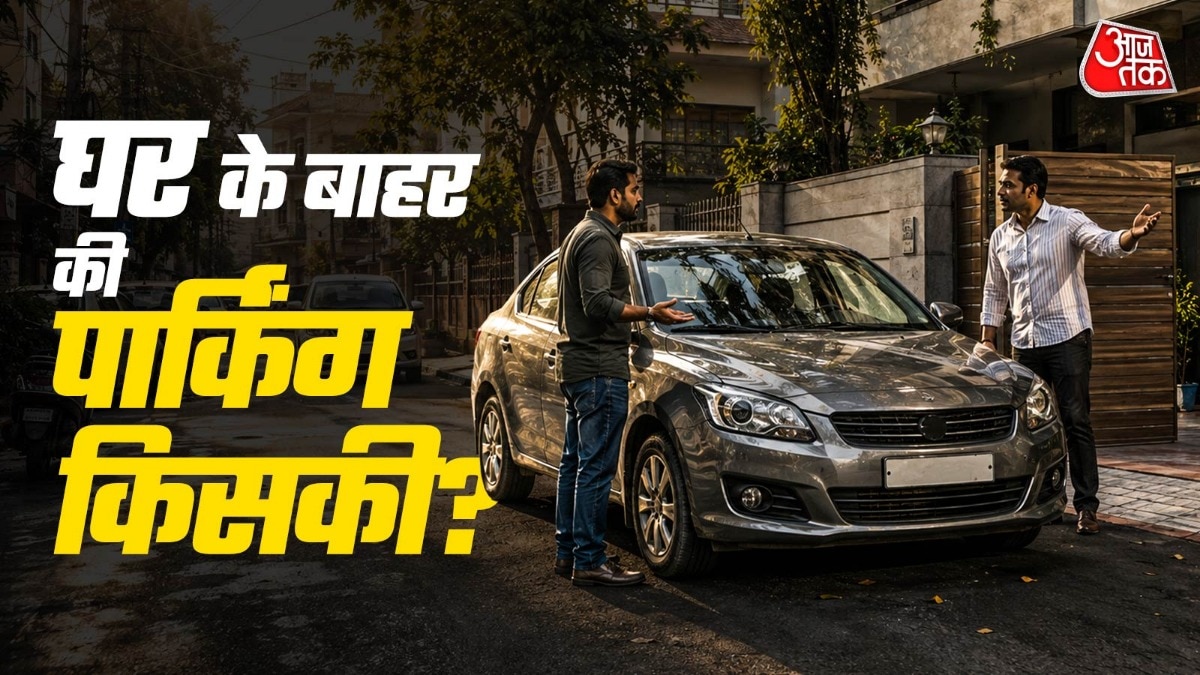
A common misconception among Indian residents is that the stretch of public road outside their home constitutes personal parking territory. In reality, public streets remain common property, and no individual can claim exclusive rights to park vehicles on such spaces simply because they reside nearby.
Under India's Motor Vehicles Act and local municipal regulations, public roads are designated for general traffic and limited parking under specific conditions. While many municipalities permit street parking in designated areas, these remain subject to regulations regarding duration, timing, and vehicle types. Homeowners cannot reserve or monopolize any portion of a public thoroughfare for their exclusive use.
Local civic bodies typically enforce parking rules through traffic police and municipal authorities. Violations can result in penalties, vehicle impounding, or traffic citations. The regulations aim to maintain traffic flow, ensure emergency vehicle access, and prevent congestion in residential areas.
Residents seeking dedicated parking solutions are advised to explore alternatives such as applying for designated parking permits through municipal authorities where available, constructing private parking spaces on their property, or utilizing commercial parking facilities. Understanding these distinctions helps prevent legal complications and ensures compliance with local transportation laws.