World · India Bureau
Strong El Niño no guarantee of monsoon failure in India
While El Niño conditions typically presage weaker monsoons, historical data reveals that India's rainfall patterns do not always follow this rule. Analysis shows that not all strong El Niño years result in deficient monsoon precipitation.
LSN India ·
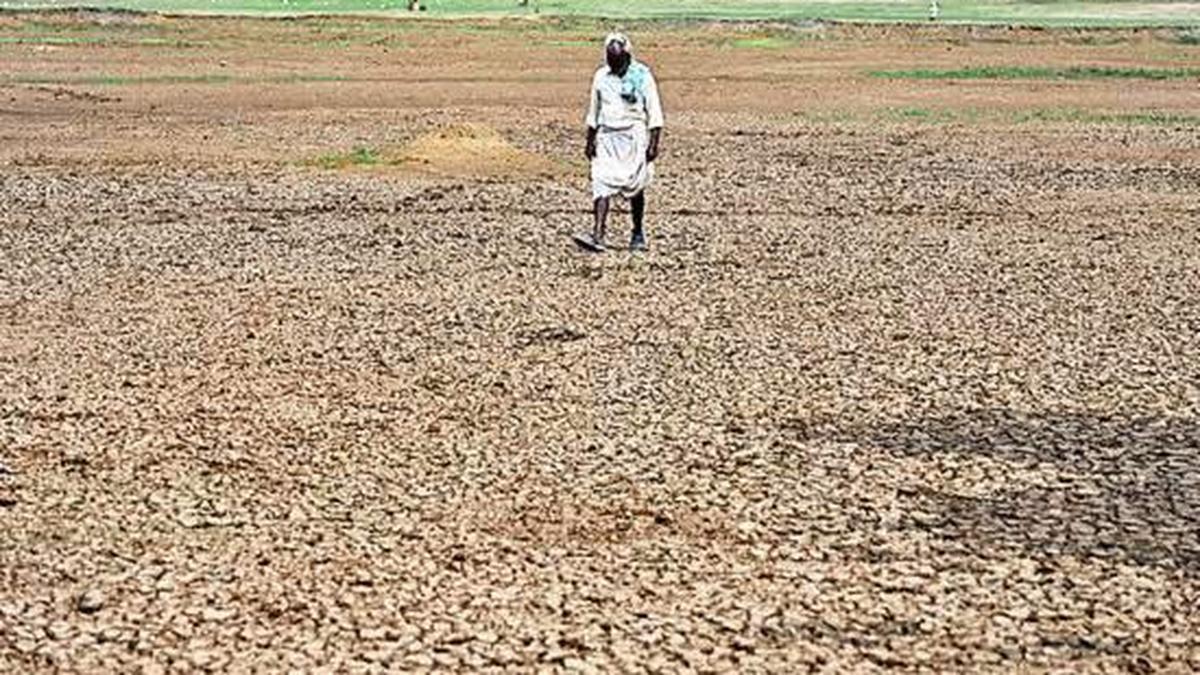
Seven Indian monsoon seasons since 1950 have coincided with moderate to strong El Niño conditions, yet the relationship between the two phenomena is far more complex than a simple cause-and-effect pattern. Of these seven instances, five years—including the recently concluded 2023 season and the projected 2026 monsoon—recorded rainfall levels at least 10 percent below the long-term average, a threshold India Meteorological Department classifies as 'deficient'.
However, the correlation is not absolute. While five of the seven monsoons under El Niño influence proved deficient, the 2023 season departed from this trend, delivering 'below average' rather than deficient rainfall. More notably, 1997 presents an outlier case, recording 'average' rainfall despite coinciding with a strong El Niño episode.
These historical precedents underscore the multifaceted nature of India's monsoon system. While El Niño—characterized by warming in the equatorial Pacific Ocean—typically suppresses monsoon activity, other atmospheric and oceanic factors can modulate its impact. Local and regional weather patterns, Indian Ocean temperatures, and other climatic variables collectively determine whether an El Niño year will result in deficient, below-average, or near-normal precipitation.
For India's agricultural economy and water resource management, this variability carries significant implications. Meteorological agencies continue refining prediction models to better account for these complexities, recognizing that El Niño presence alone cannot definitively forecast monsoon performance. Farmers and policymakers must therefore balance historical probabilities against region-specific forecasts when planning for seasonal rainfall.