Business · India Bureau
Structural factors keep stubble burning cycle entrenched across India
Stubble burning persists as a seasonal menace despite years of awareness campaigns, driven by deep-rooted economic and agricultural constraints rather than farmer negligence. Breaking the cycle requires systemic changes in crop management, incentive structures and monitoring mechanisms.
LSN India ·
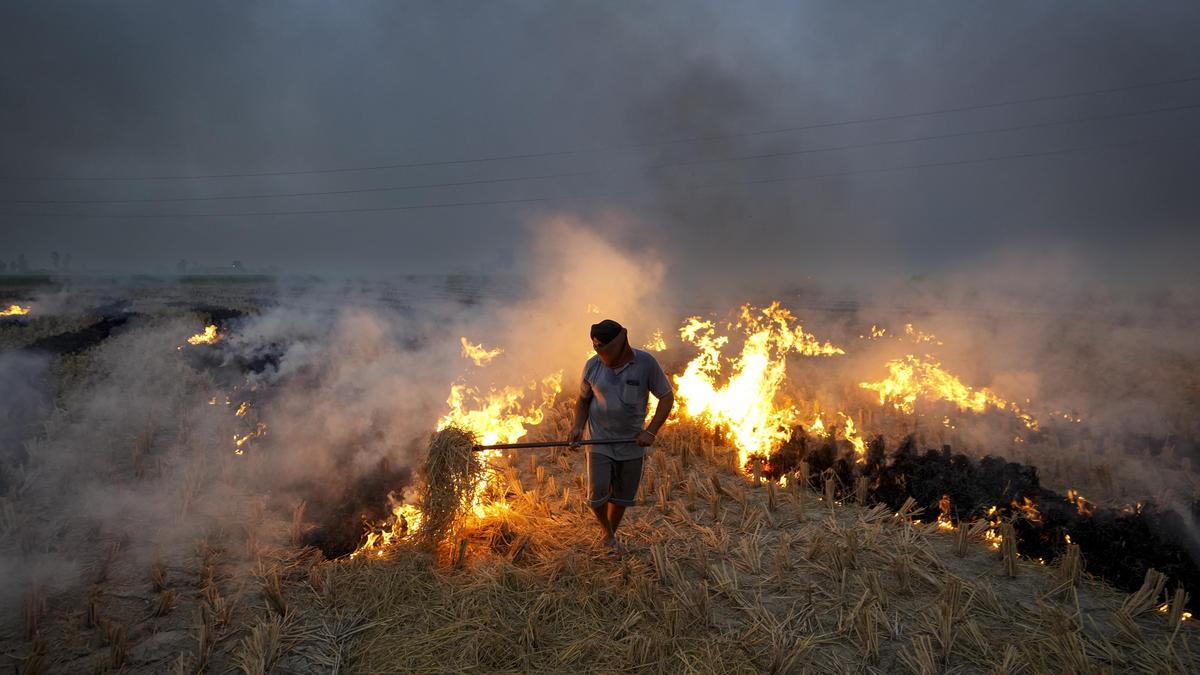
Stubble burning across India's agricultural heartland remains a recurring problem because it is embedded within the structure of modern farming economics and the paddy-wheat cultivation cycle, rather than stemming from isolated decisions by individual farmers. The practice persists due to a convergence of legal, technological and market-driven factors that create powerful incentives for the practice, particularly in Punjab, Haryana and Uttar Pradesh during harvest transitions.
The core challenge lies in the narrow window between harvesting one crop and sowing the next. Farmers face time constraints that make rapid field clearance essential, while mechanised harvesting has made stubble residue handling more difficult than traditional methods. Simultaneously, India's assured procurement system for wheat and rice, while providing price stability, offers no economic incentive for farmers to retain or process crop residue on their fields.
Economic pressures compound the issue. The cost of alternative residue management techniques—from in-situ composting to biochar production—remains prohibitively high for most small and marginal farmers. Without direct financial benefits or subsidised access to residue management technology, stubble burning remains the cheapest disposal option available.
Addressing the problem demands comprehensive intervention across multiple fronts. Policymakers must strengthen incentives for crop diversification to break the rigid paddy-wheat cycle, implement subsidised residue management infrastructure, and establish more reliable measurement systems for monitoring burning incidence. Without tackling these underlying structural factors, seasonal stubble burning episodes will continue to recur, affecting air quality across northern India regardless of enforcement efforts.