World · India Bureau
Stubble burning cycle traps India's farmers in annual October crisis
As the harvest season concludes, Indian farmers face a recurring dilemma: dispose of crop residue quickly or risk penalties. The compressed timeline between rice harvesting and wheat planting drives large-scale stubble burning across northern India each autumn.
LSN India ·
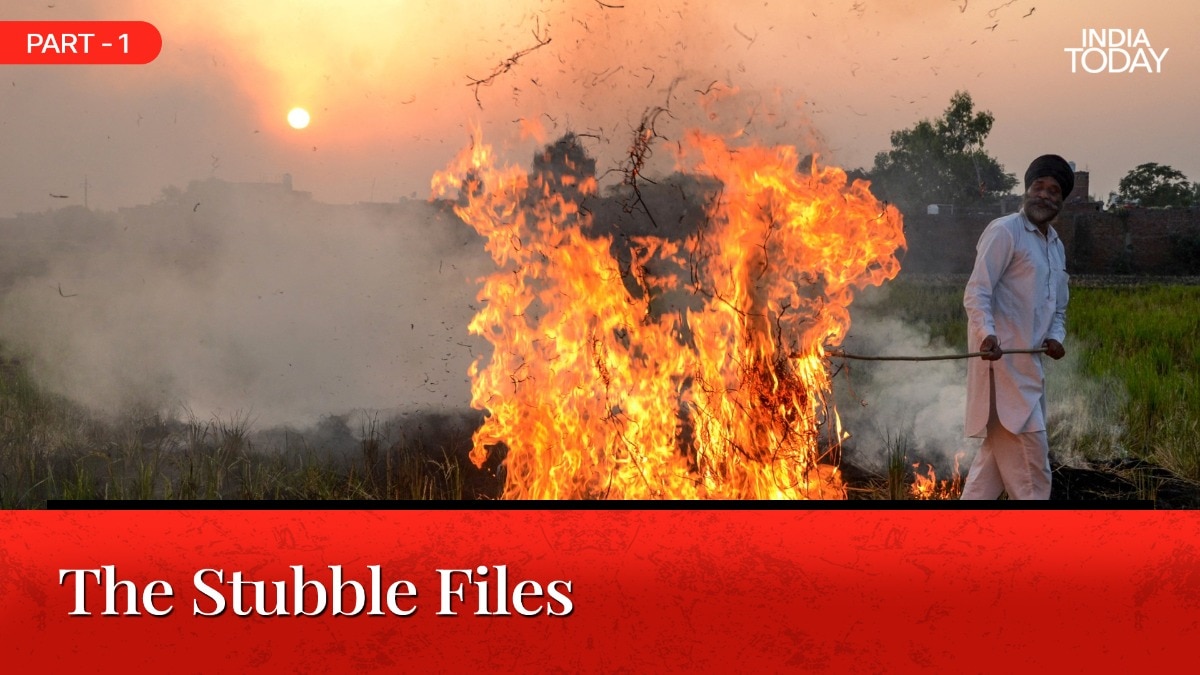
Every October, a thick haze descends over India's northern plains as farmers set fire to crop stubble, a practice that has become deeply embedded in the agricultural calendar despite environmental concerns and legal restrictions. The phenomenon is not simply a matter of choice but rather a consequence of structural pressures within India's farming system that leave cultivators with limited alternatives.
The central constraint is temporal. After harvesting rice, farmers have approximately 25 days before they must prepare fields for wheat planting. Mechanically removing stubble through modern equipment remains prohibitively expensive for most smallholder farmers, while manual removal is labor-intensive and time-consuming. Burning offers a quick, cost-effective solution that also returns some nutrients to the soil, making it the default option across Punjab, Haryana, and western Uttar Pradesh.
Government initiatives to address the practice have included subsidies for stubble management equipment and machinery hire services, yet adoption remains limited. The economics continue to favor burning for resource-constrained farmers operating under tight seasonal windows. Additionally, enforcement of air quality regulations during the stubble burning season remains inconsistent across states.
The environmental toll is significant. Stubble burning contributes substantially to air pollution, affecting air quality across northern India and neighboring regions. The practice also degrades soil health over time and releases greenhouse gases. Experts argue that addressing the issue requires not merely regulation but fundamental changes to cropping patterns, improved access to mechanization technology, and economically viable alternatives that account for the real constraints farmers face within India's agricultural system.