World · India Bureau
Stubborn Tile Grout Stains: Budget-Friendly Cleaning Solutions for Indian Homes
Darkened grout lines between floor tiles remain a persistent household challenge despite regular cleaning efforts. Experts point to moisture, soap residue, dust, and mold as common culprits that resist conventional expensive cleaners.
LSN India ·
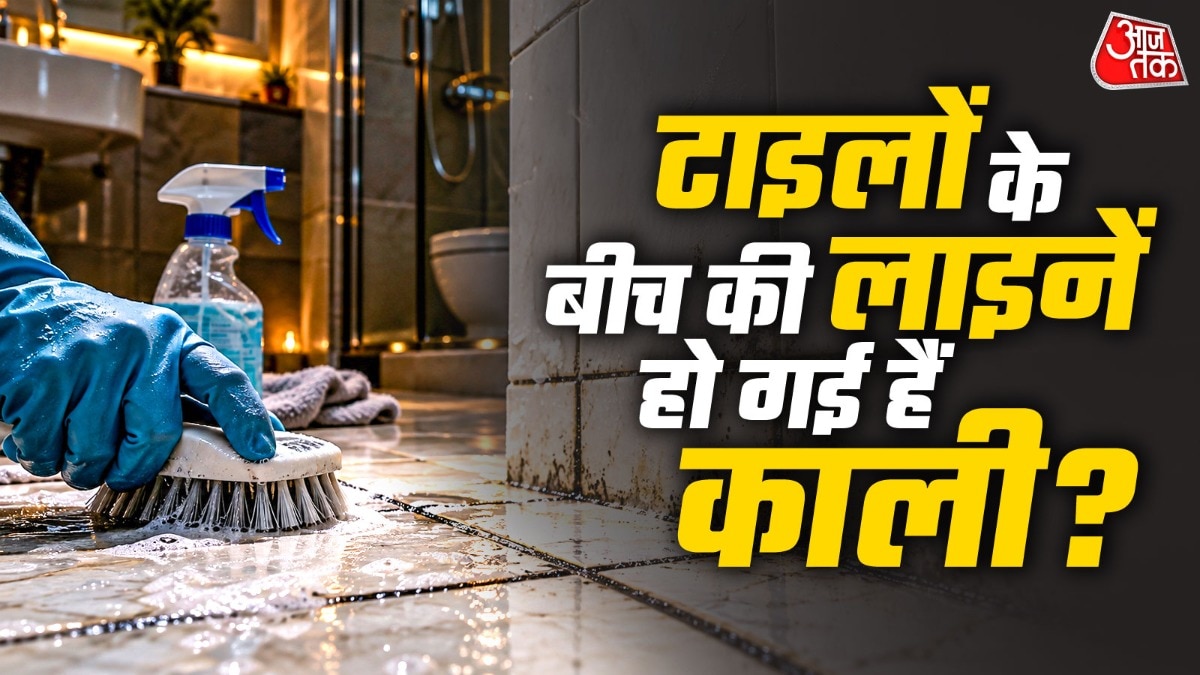
Homeowners across India frequently struggle with blackened grout lines that appear between floor tiles, even after repeated cleaning attempts. The discoloration typically results from accumulated moisture, soap buildup, dust particles, and fungal growth—issues that prove particularly stubborn in humid climates and moisture-prone areas like bathrooms and kitchens.
While premium commercial tile cleaners flood the market, many households find these products deliver disappointing results relative to their cost. This has prompted growing interest in practical, economical alternatives using household ingredients that are readily available in most Indian kitchens and utility stores.
Experts recommend four primary methods for tackling stubborn grout staining. These techniques leverage common household items such as baking soda, white vinegar, hydrogen peroxide, and lemon juice—all significantly more affordable than branded cleaners. The approach typically involves creating paste mixtures or spray solutions that target accumulated grime without damaging tile surfaces.
Beyond cleaning, preventive maintenance proves equally important for long-term grout preservation. Regular ventilation in moisture-prone areas, prompt wiping of spills, and periodic application of grout sealants can substantially reduce the likelihood of discoloration recurring. Adopting these preventive measures alongside affordable cleaning methods helps maintain tile aesthetics without requiring frequent expensive treatments.