World · India Bureau
Student innovates chemical-free weed management solution for farms
A student-led initiative has developed an environmentally sustainable approach to controlling agricultural weeds without relying on chemical herbicides. The innovation addresses growing concerns about pesticide use in farming across South Asia.
LSN India ·
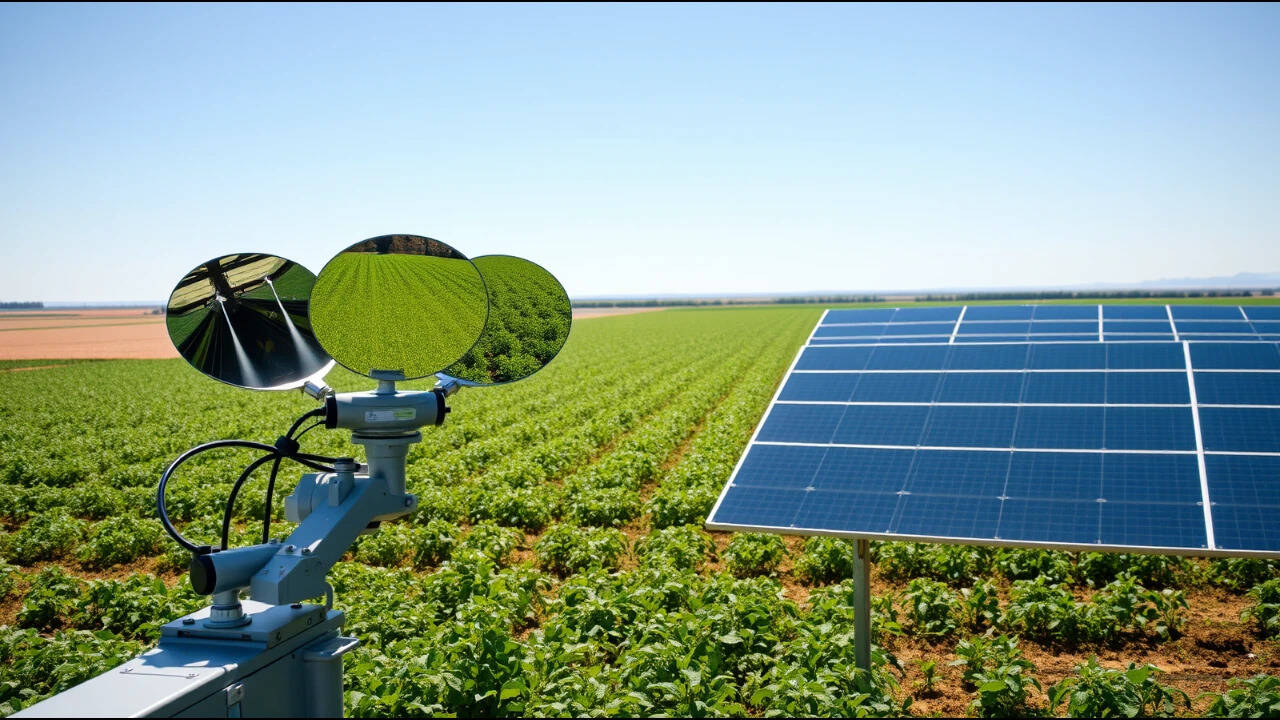
Agricultural communities across the region are increasingly seeking alternatives to chemical-based weed control methods, driven by environmental concerns and health considerations. A student researcher has stepped into this gap with the development of a chemical-free weed management system that offers farmers a viable alternative to conventional herbicides.
The innovation addresses a critical challenge facing modern agriculture, where weed control typically depends on synthetic chemicals that can have long-term environmental and health impacts. By eliminating reliance on such substances, the system presents an opportunity for farmers to reduce their chemical input costs while maintaining productive yields.
The approach represents the kind of grassroots agricultural innovation increasingly emerging across South Asia, where young researchers are combining traditional farming knowledge with modern scientific methods. Such solutions are particularly relevant in India and neighbouring countries, where sustainable farming practices have gained momentum among both small-scale and commercial agricultural operations.
The development of chemical-free alternatives to herbicides aligns with broader movements toward organic and sustainable agriculture in the region. As awareness grows regarding the environmental and health implications of pesticide use, such innovations are likely to attract significant interest from farmers seeking to transition toward more sustainable practices.
While detailed specifics of the system's methodology and current deployment status remain to be widely documented, the initiative demonstrates the potential for student-led research to contribute practical solutions to longstanding agricultural challenges across South and Southeast Asia.