World · World News Bureau
Student's death reignites India's corporal punishment debate
The death of a schoolboy following a teacher's assault has revived questions about why physical punishment remains widespread in Indian schools more than a decade after being officially banned.
LSN World News ·
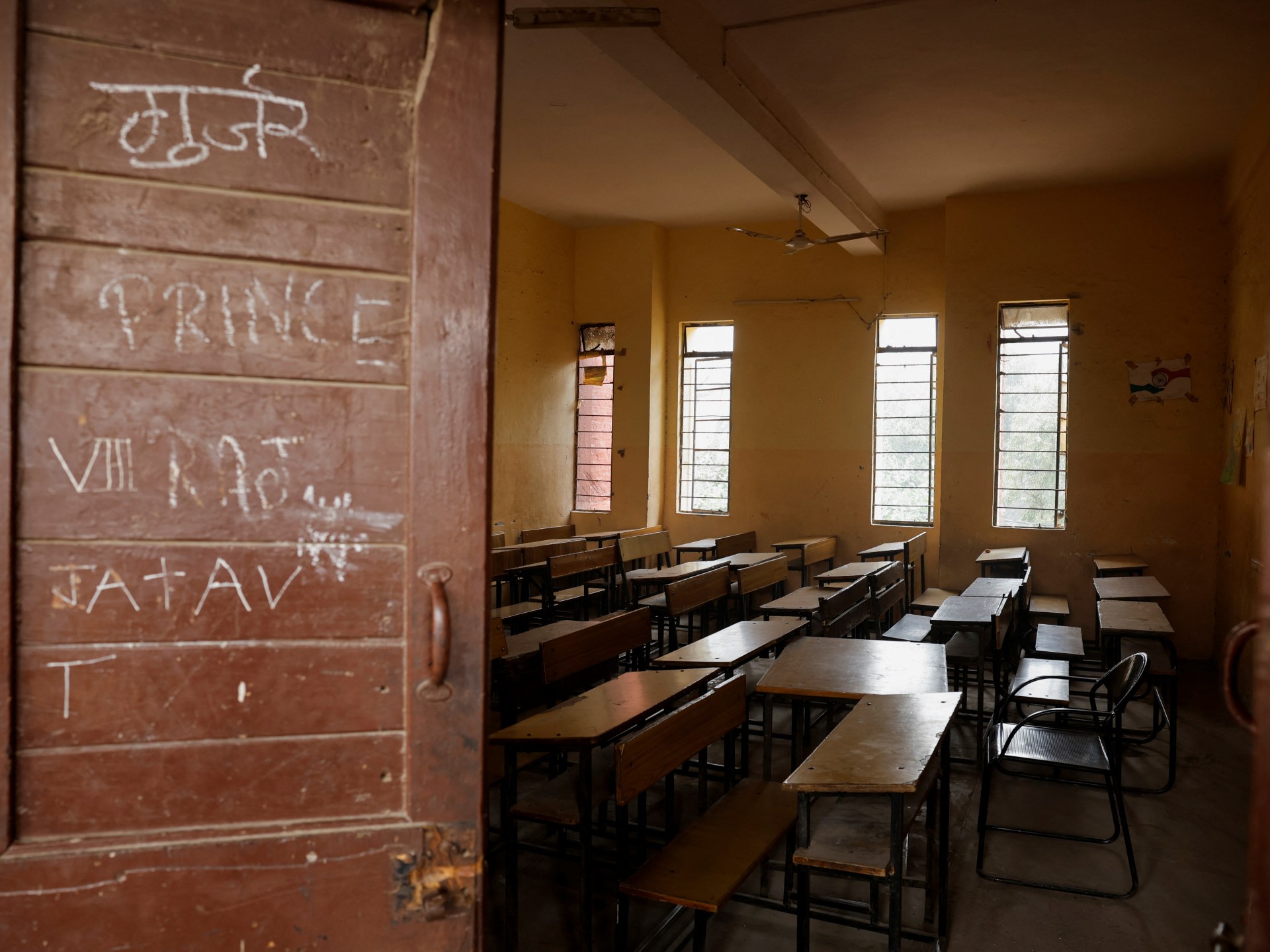
A student's death in India has triggered renewed scrutiny of corporal punishment in schools, exposing the persistent gap between legislation and classroom practice across the country. The incident has prompted educators, administrators and policymakers to confront why physical discipline remains commonplace in educational institutions despite legal prohibitions enacted over ten years ago.
The case highlights systemic failures in enforcement of existing bans on hitting and other forms of corporal punishment. Despite clear legal frameworks prohibiting such practices, teachers in many Indian schools continue to resort to physical discipline as a standard method of classroom management and student control.
Educational authorities face mounting pressure to explain why awareness campaigns and regulatory measures have failed to eliminate corporal punishment from schools. The incident underscores deeper issues within India's education system, including inadequate teacher training, weak oversight mechanisms, and cultural attitudes that normalize physical punishment as a disciplinary tool.
Experts argue that meaningful change requires comprehensive implementation of existing laws, coupled with alternative discipline strategies and robust accountability measures for violations. The death has catalyzed calls for urgent action to transform classroom practices and ensure student safety across Indian schools.