Politics · India Bureau
Study flags climate threats to telecom infrastructure across Indian states
A global coalition has identified cyclonic winds and flooding as major risks to telecommunications towers in several Indian states. The research highlights vulnerabilities in critical infrastructure as extreme weather events become more frequent.
LSN India ·
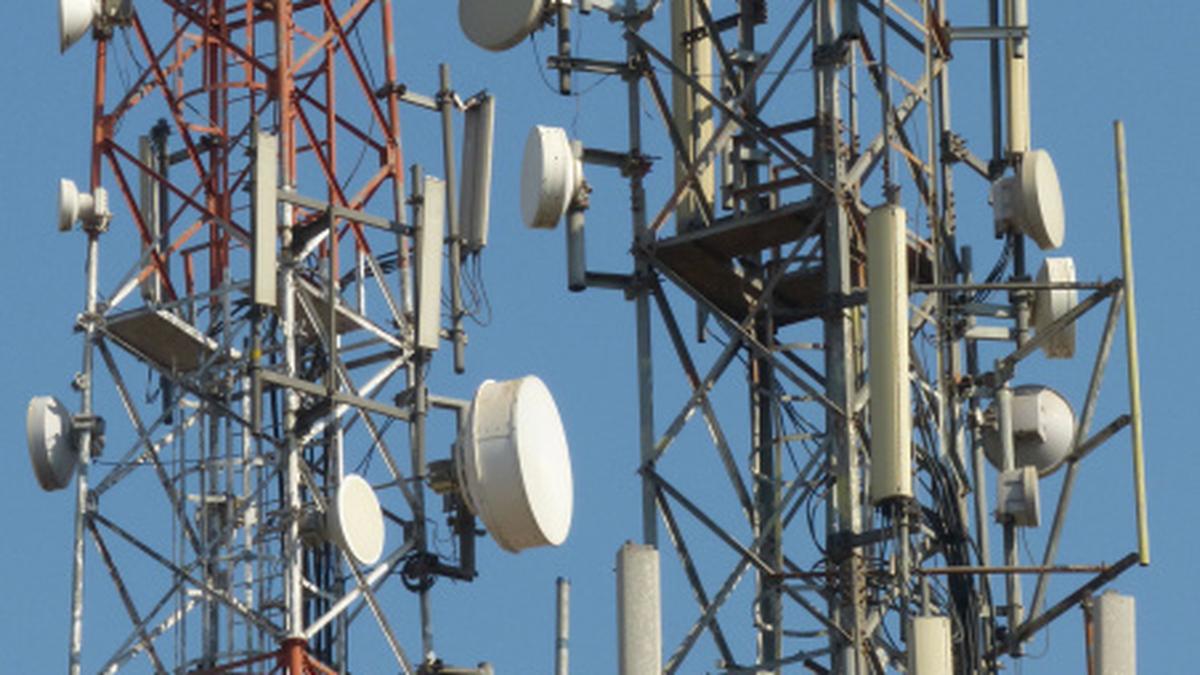
The Coalition for Disaster Resilient Infrastructure, a multilateral platform comprising 72 governments and institutional partners, has completed a comprehensive mapping of telecommunications tower vulnerabilities across five Indian states, revealing significant exposure to climate-related hazards.
The study identified cyclonic winds and flooding as the primary threats to telecom infrastructure, with particular concerns raised for Assam and Tamil Nadu. These regions face recurring weather events that can disable communication networks, disrupting emergency services and essential connectivity during disasters when telecommunications become most critical.
Telecommunications infrastructure forms the backbone of modern emergency response systems and essential services delivery. Vulnerabilities in tower locations and structural resilience can have cascading effects during natural disasters, hampering relief operations and leaving populations isolated when connectivity is most needed.
The mapping exercise represents part of broader efforts to strengthen disaster resilience across South Asia's critical infrastructure. By identifying high-risk tower locations, telecommunications operators and government agencies can prioritize reinforcement measures, improve maintenance protocols, and develop contingency plans to ensure service continuity during extreme weather events.
The findings underscore the urgent need for coordinated action between telecom operators, infrastructure planners, and disaster management authorities to build climate-resilient communication networks across the region.