World · Singapore Bureau
Study links climate change, El Niño to worsening Indonesia haze crisis
A new study identifies climate change and El Niño weather patterns as key drivers behind Indonesia's recurring haze episodes. Researchers suggest these increasingly predictable events offer opportunities for better prevention and response strategies.
LSN Singapore ·
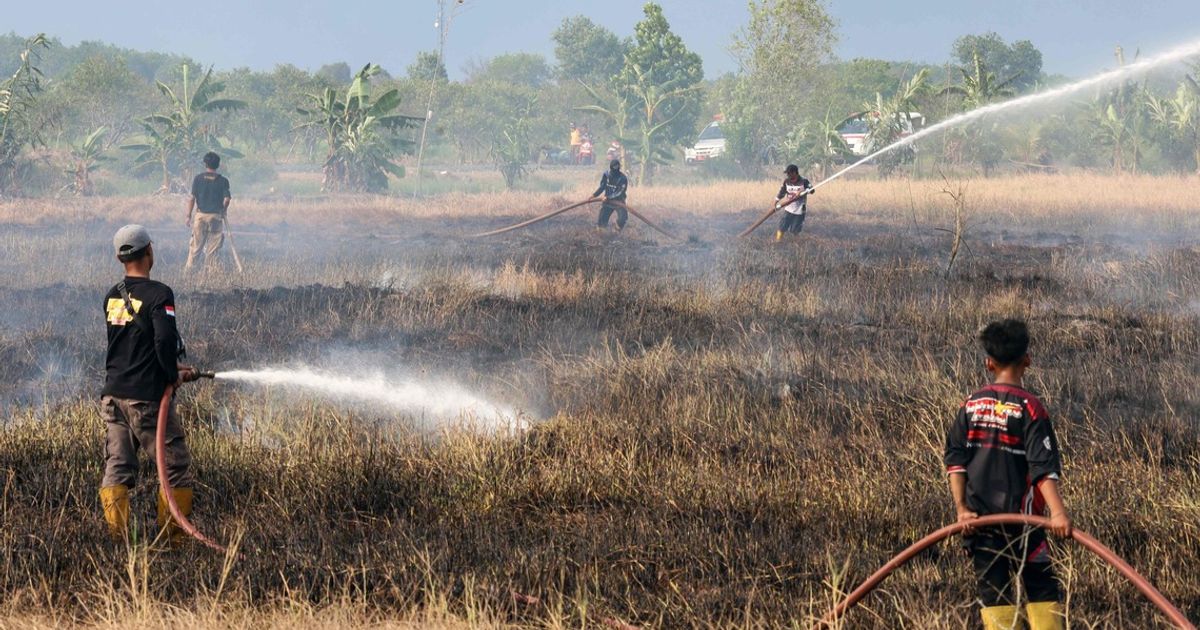
Climate change and El Niño conditions have significantly intensified Indonesia's haze problem, according to recent research examining the environmental factors behind the region's air quality crises. The study points to warming global temperatures and drought conditions associated with El Niño oscillations as primary contributors to the severity and frequency of transboundary smoke events that regularly affect Indonesia and neighbouring countries including Singapore and Malaysia.
Indonesia's haze episodes, often triggered by agricultural burning and forest fires, have become a recurring challenge for the region. The research indicates that elevated temperatures linked to climate change create drier conditions that make vegetation more susceptible to burning, while El Niño events exacerbate drought conditions that further increase fire risk and smoke intensity.
While the findings underscore the mounting environmental threat posed by climate change, researchers emphasize that these events are becoming increasingly predictable. The improved forecasting capability offers governments and environmental agencies a valuable window for developing targeted mitigation strategies before haze events occur.
The study suggests that better prediction models could enable more effective land management practices, early warning systems, and coordinated regional responses. As climate patterns continue to shift, understanding these connections remains critical for policymakers seeking to reduce haze episodes and protect public health across Southeast Asia.