Business · India Bureau
Study links maternity leave policy shift to decline in women factory workers
Research suggests that amendments to maternity leave provisions may have contributed to reduced female employment in manufacturing sectors. Experts propose redirecting the financial burden of such benefits from individual employers to broader social insurance frameworks.
LSN India ·
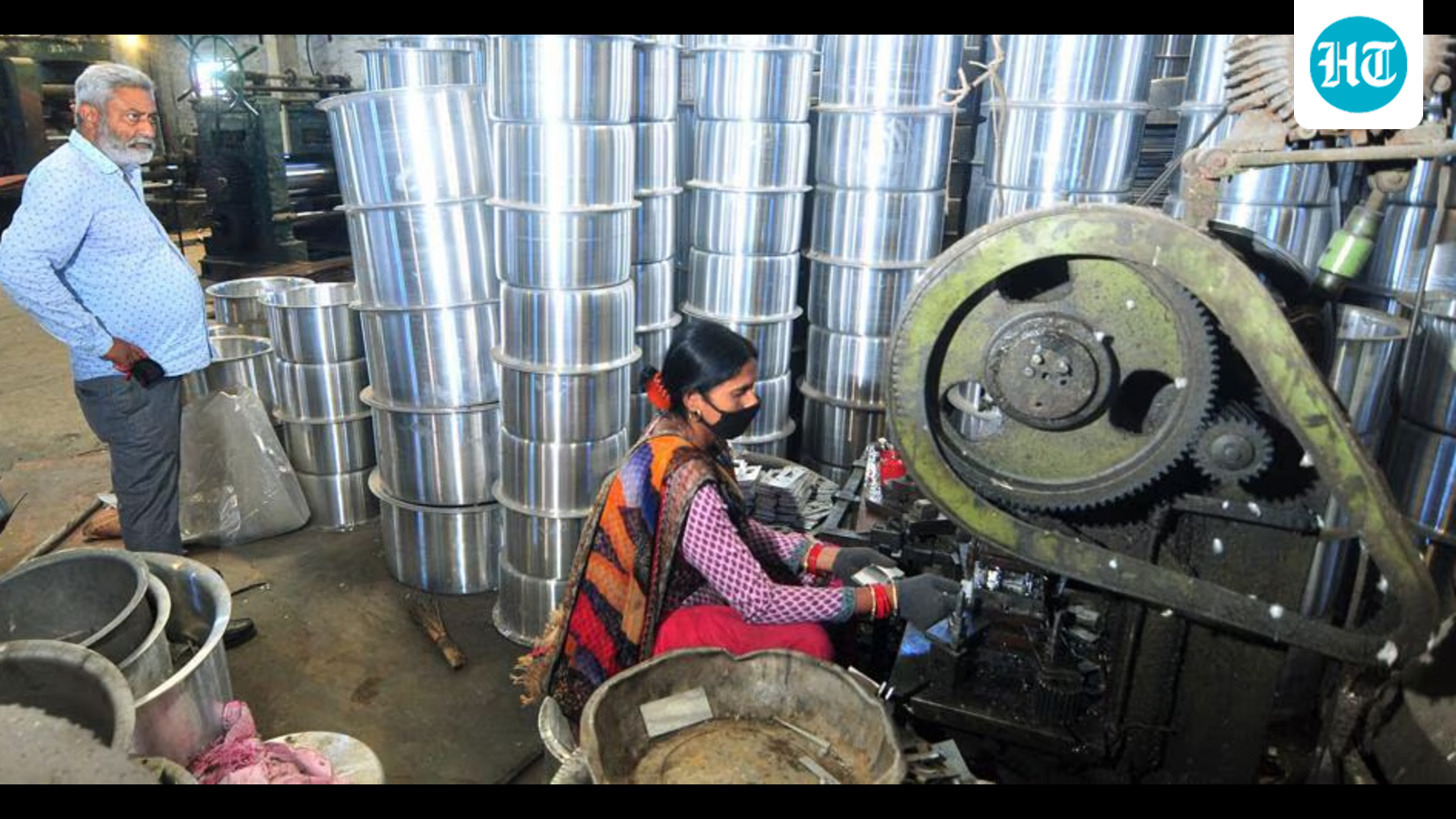
A recent study examining employment trends in the manufacturing sector has identified a correlation between maternity leave policy amendments and decreased hiring of women workers. The research indicates that when individual employers bear the direct financial costs of maternity leave provisions, they may reduce their recruitment of women of childbearing age, creating an unintended disincentive to female workforce participation.
The study's findings suggest that policy changes aimed at protecting maternal rights, while well-intentioned, can paradoxically harm women's employment opportunities if the implementation places financial burdens exclusively on private employers. Researchers noted that such outcomes highlight the complex interplay between labour protection measures and market incentives in hiring decisions.
To address these challenges, the study's authors recommend restructuring how maternity leave benefits are financed across the economy. Rather than requiring individual companies to absorb these costs directly, they advocate transitioning to a social insurance model where the broader social security system shares responsibility for funding maternity-related benefits. This approach, they argue, would distribute costs more equitably and potentially remove hiring disincentives at the employer level.
The research underscores the need for policymakers to carefully design labour protections that advance gender equality without creating unintended economic consequences. Experts suggest that complementary measures—such as employer incentive programs and government subsidies—may be necessary to ensure that maternity leave protections do not inadvertently discourage the hiring of women in key sectors.