World · World News Bureau
Study reveals macaques show disgust responses similar to humans
Researchers investigating germ aversion in primates have found that macaques demonstrate disgust behavior comparable to humans, refusing food placed near contaminated materials. The findings provide insight into how germaphobia evolved across species.
LSN World News ·
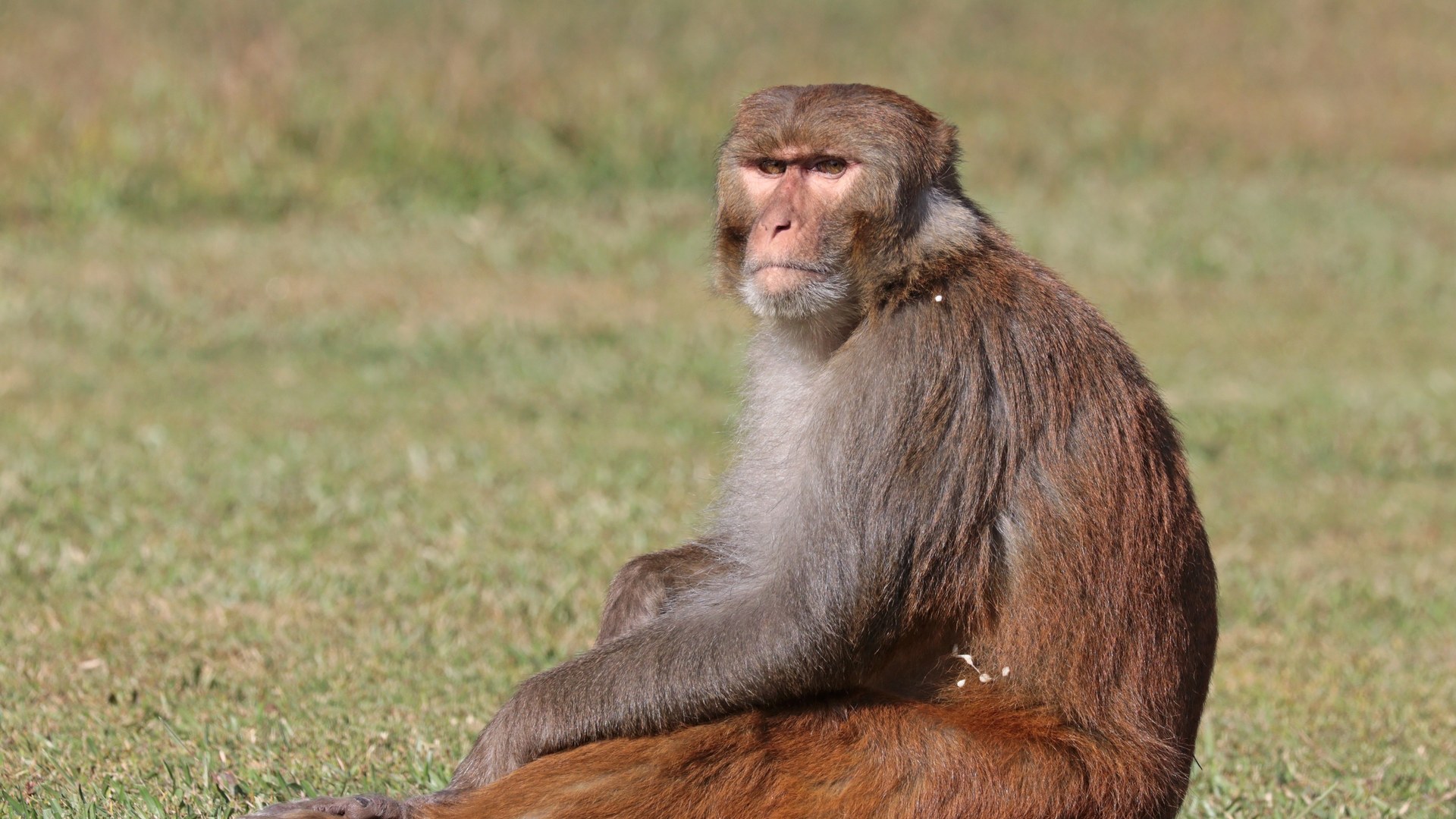
Scientists studying animal behavior have discovered that macaques exhibit strong aversion to contamination, suggesting that disgust responses may be more deeply rooted in primate evolution than previously understood.
The research examined whether macaques would consume food—specifically grapes—when placed in proximity to fecal matter or other contaminated substances. Observers noted that the primates consistently rejected the food items, displaying behavioral patterns indicative of disgust similar to those observed in humans.
This avoidance behavior suggests that germaphobia is not a uniquely human trait but rather an evolved protective mechanism present across primate species. The instinctive rejection of potentially contaminated food sources would have provided significant survival advantages by reducing exposure to pathogens and disease.
The findings add to growing evidence that emotional responses related to hygiene and contamination rejection serve fundamental biological functions. Understanding how different species perceive and respond to contamination may offer researchers deeper insights into the evolutionary basis of human behavior and decision-making around sanitation and food safety.
Experts suggest such studies contribute to broader understanding of how primates, including humans, developed innate protective mechanisms against disease transmission through behavioral adaptation.
Photo: A male rhesus macaque in Gokarna Forest, near Kathmandu, Nepal, November 2019. Charles J. Sharp via Wikimedia Commons (CC BY-SA 4.0).