World · India Bureau
Study reveals methane, not hydrogen, as viable energy source from dog waste
A new study examining the energy potential of canine waste has found that methane extraction offers more promising returns than hydrogen production. The research suggests an unexpected avenue for renewable energy generation from a common urban byproduct.
LSN India ·
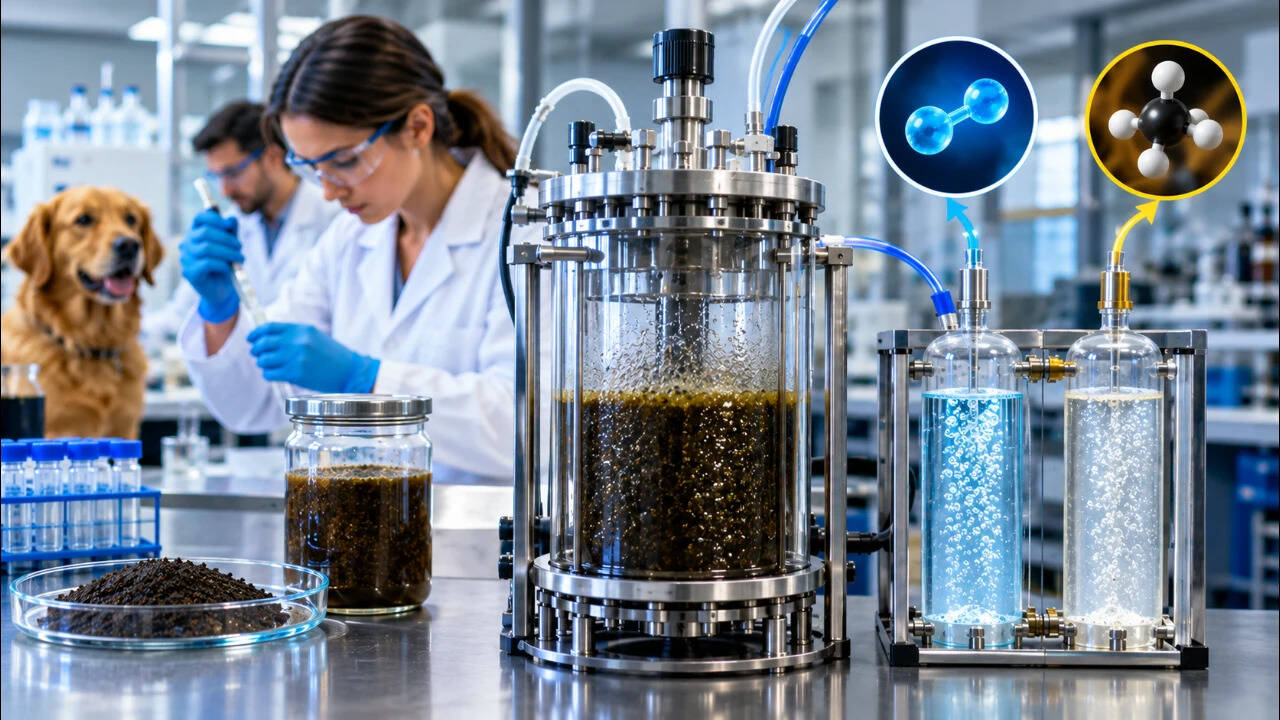
Scientists analyzing the biochemical composition of dog excrement have identified methane as the most practical energy alternative, challenging earlier assumptions about hydrogen's viability as a fuel source from the same material. The findings emerge from research into unconventional renewable energy sources, as researchers seek innovative solutions to waste management challenges across densely populated regions.
The study compared the energy yields from different conversion processes applied to canine waste, discovering that anaerobic digestion—which produces methane—generates substantially higher returns than hydrogen-based methodologies. Methane, a potent greenhouse gas when released into the atmosphere, can be captured and utilized as a fuel source, offering dual environmental benefits through both waste reduction and energy generation.
While the concept may initially appear novel, similar biogas extraction methods have already found application in treating agricultural and municipal waste in several South Asian countries. The research suggests that pet waste, particularly in urban areas with significant dog populations, could contribute meaningfully to localized energy generation initiatives when processed through established anaerobic digestion infrastructure.
Experts note that implementing such systems would require coordination between municipal authorities, waste management operators, and pet owners. The study adds to growing interest in identifying alternative feedstocks for renewable energy production, particularly in regions seeking to diversify their energy portfolios while simultaneously addressing waste management concerns.