World · India Bureau
Study reveals Pacific pilot whales ingesting dangerous levels of ocean plastic
A 13-year research initiative has documented alarming quantities of synthetic debris in the stomachs of pilot whales found stranded around Hawaii, highlighting the severe threats posed by marine pollution to cetacean populations.
LSN India ·
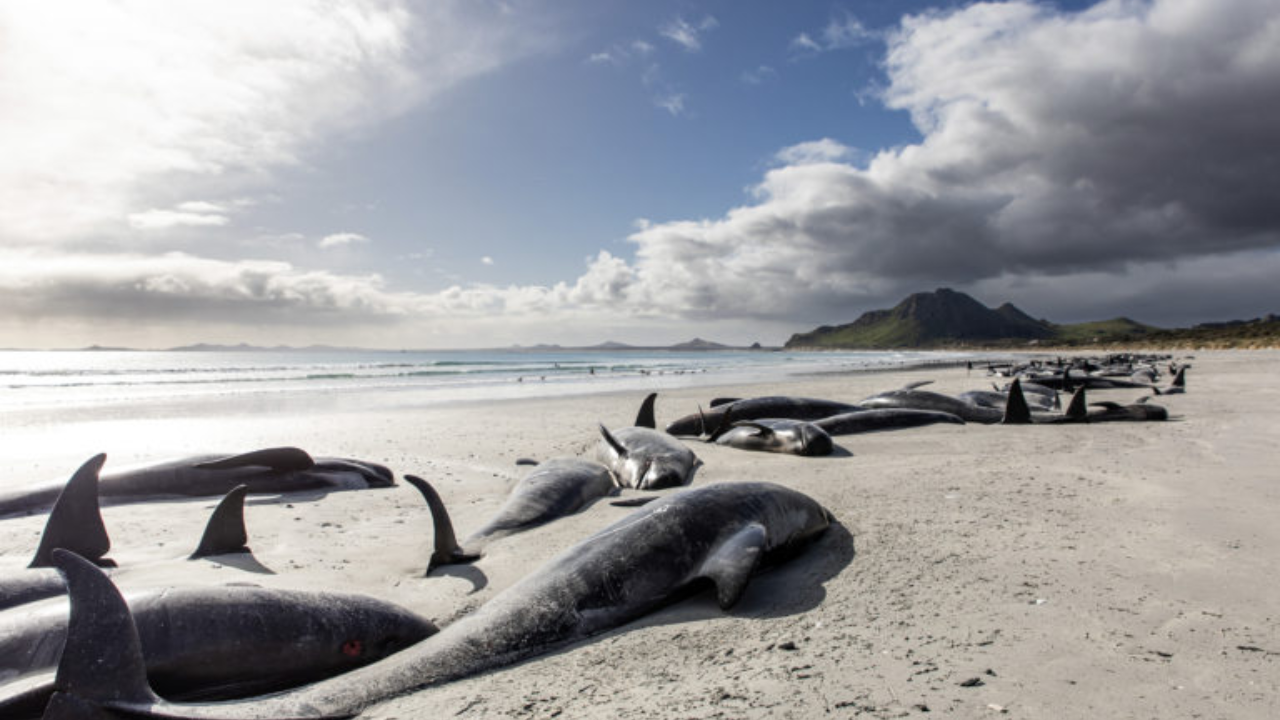
Marine researchers have completed a comprehensive analysis of pilot whales that washed ashore near Hawaii, uncovering evidence of widespread plastic ingestion among the species. The study, spanning thirteen years of investigation, identified thousands of plastic fragments embedded within the digestive systems of examined specimens, painting a stark picture of ocean pollution's reach into marine food chains.
The debris consumed by the whales included discarded fishing nets, plastic bags, and other synthetic materials that have become ubiquitous in Pacific waters. Scientists attribute the accumulation of such waste to increasing human activity and inadequate waste management practices that allow plastics to enter marine ecosystems at scale.
The findings underscore grave health risks facing these marine mammals, as ingested plastics can cause internal injuries, obstruct digestive tracts, and introduce toxic compounds into their bodies. The research provides critical scientific evidence of how ocean pollution directly impacts large marine species and their long-term survival prospects.
Experts are calling for urgent action to reduce plastic waste entering the ocean and to strengthen regulations on fishing practices and waste disposal. The study's results reinforce growing concerns about the sustainability of marine ecosystems across the Pacific region and the need for comprehensive environmental protection measures.