World · Vietnam Bureau
Study reveals potential cracking risk in Boeing 787 engine blades
Research indicates that turbine blades in General Electric Aerospace engines powering Boeing 787 aircraft may develop cracks after approximately 1,000 flights. The findings present airlines with a difficult choice between early engine replacement and continued operation under enhanced inspection protocols.
LSN Vietnam ·
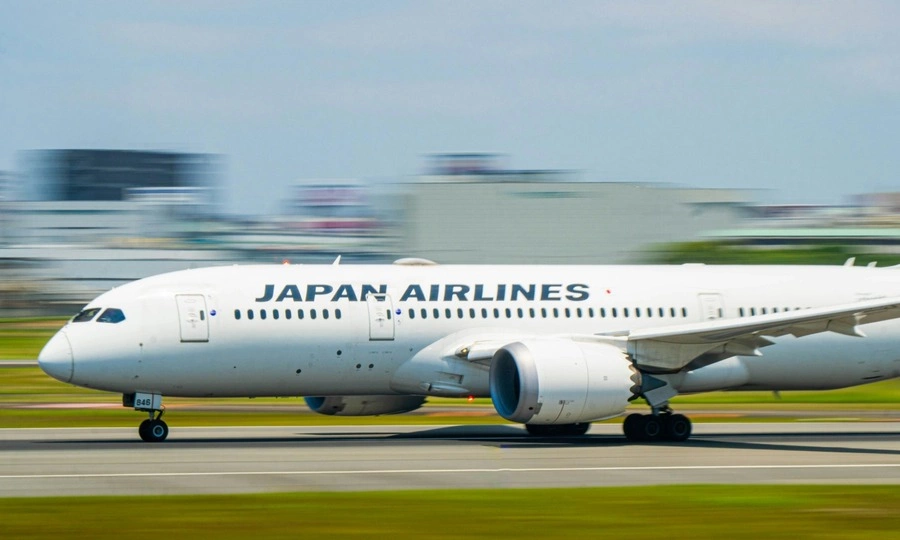
A new study from Chinese researchers has raised concerns about the durability of turbine blades used in GE Aerospace engines installed on Boeing 787 Dreamliner aircraft. The paper documents evidence that some blades can develop structural cracks within roughly 1,000 flight cycles, potentially affecting the safety and reliability of one of aviation's most modern wide-body jets.
The research highlights a significant maintenance challenge for global airlines operating the 787 fleet. Operators must now weigh the substantial costs of premature engine removal and replacement against the risks of continuing operations on engines subject to more frequent and rigorous inspection schedules.
Boeing 787s rely on General Electric's GEnx engines, which are among the most advanced powerplants in commercial aviation. The turbine blade findings suggest that the extreme temperatures and pressures these engines encounter during normal operation may accelerate material fatigue in certain blade components.
The study adds to ongoing scrutiny of Boeing aircraft following previous quality and safety issues. While the 787 remains one of aviation's most fuel-efficient and technologically advanced aircraft, the blade cracking issue underscores the complex maintenance realities facing airlines operating modern jet fleets.
The implications of this research are likely to prompt closer examination by aviation regulators and manufacturers, potentially leading to revised maintenance intervals or design modifications for affected engines across the global 787 fleet.