World · India Bureau
Study warns of invasive species risks from Arctic shipping surge
Research reveals that nearly 30,000 commercial vessels arriving in Alaska over a decade carried massive amounts of hull surface capable of transporting invasive marine species. Scientists warn that warming Arctic waters could amplify the biological threat to the region.
LSN India ·
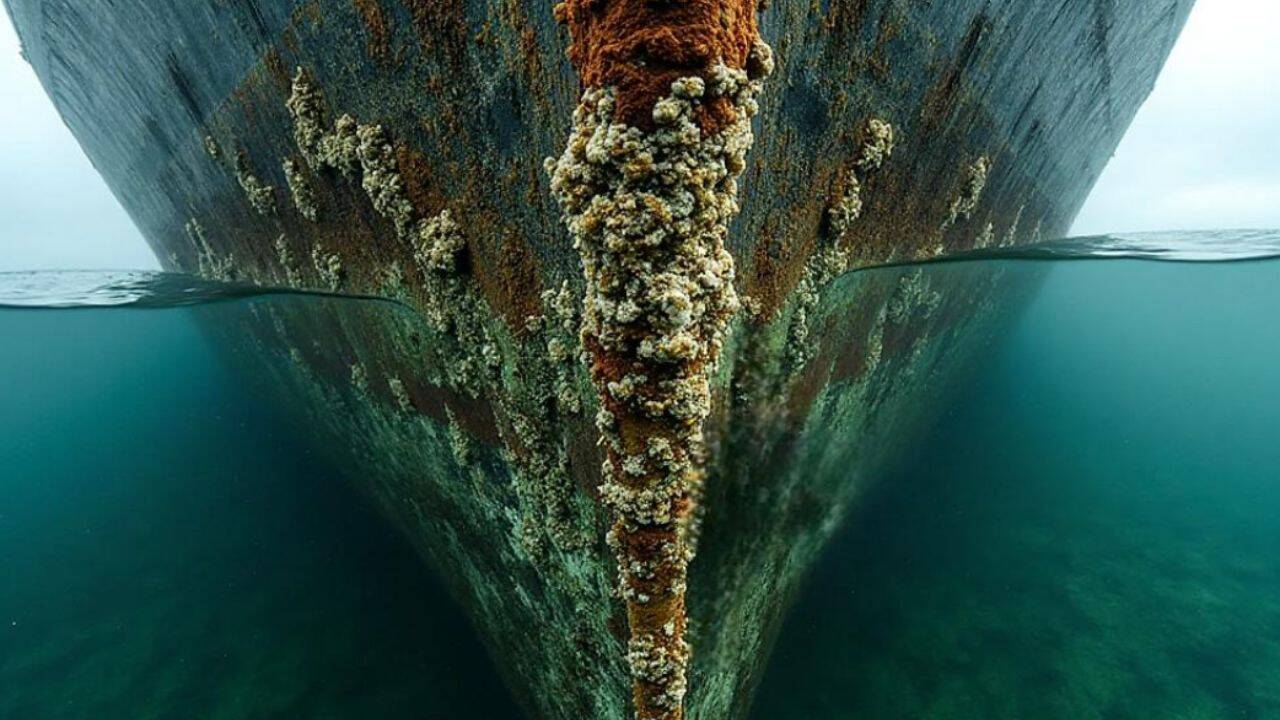
A comprehensive study of shipping traffic to Alaska between 2012 and 2022 has identified a significant ecological risk posed by commercial vessel arrivals, with researchers finding that approximately 30,000 ships introduced roughly 430 square kilometres of submerged hull surface to the region's waters. This accumulated surface area creates a pathway for non-indigenous marine organisms to reach Alaskan ecosystems through a process known as biofouling, where organisms attach themselves to ship hulls and travel across ocean basins.
Passenger vessels emerged as the primary concern in the research, accounting for more than half of the total submerged hull surface area. The study highlights how modern maritime traffic, particularly cruises and large commercial ships, inadvertently facilitates the spread of invasive species that could disrupt local marine ecosystems if established in Alaskan waters.
The findings come at a critical juncture as Arctic waters warm due to climate change, a development that could create more favourable conditions for non-indigenous species to survive and proliferate. Scientists caution that increased shipping activity in the Arctic, driven by expanding sea routes and economic development, may compound the problem in coming years.
The research underscores the need for enhanced biosecurity measures at major Alaskan ports and stricter protocols for managing biofouling on commercial vessels. Experts recommend that the shipping industry adopt preventive technologies and practices to reduce the transfer of marine organisms across international waters, particularly as Arctic accessibility increases.