World · India Bureau
Sub-meters offer renters solution to disputed electricity bills
Disputes over inflated power bills remain common between tenants and landlords in rental properties across India. Sub-metering systems enable individual tracking of electricity consumption by unit, providing a transparent alternative to shared billing arrangements.
LSN India ·
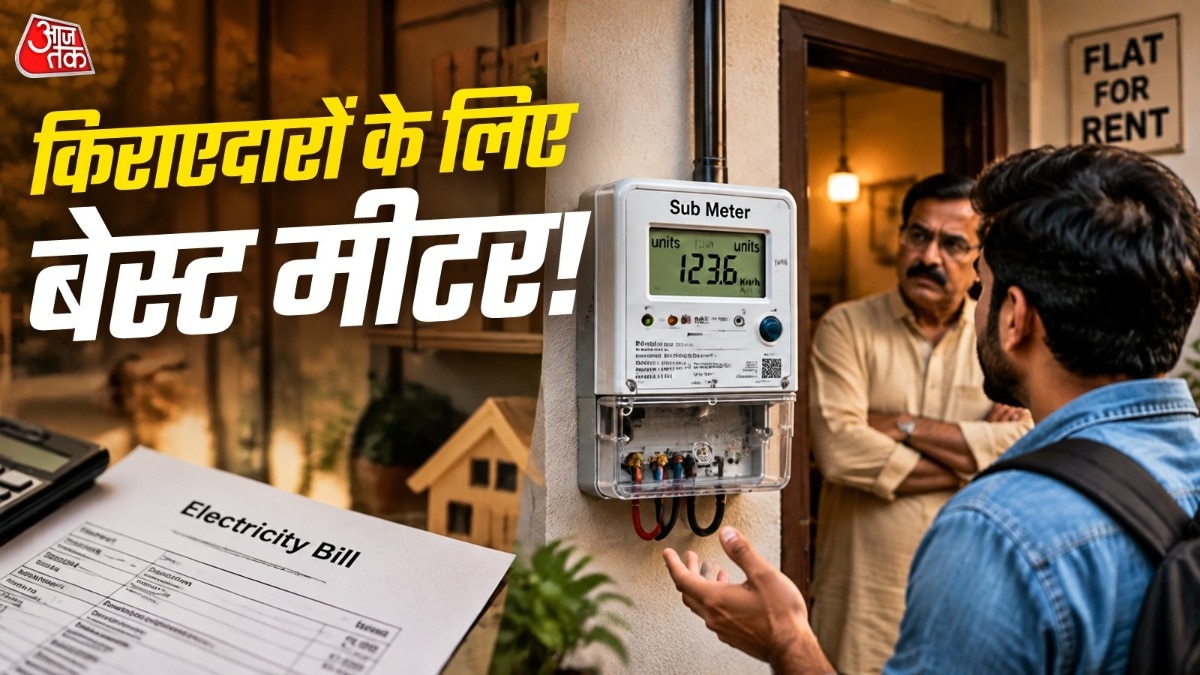
Disputes over electricity charges frequently strain relationships between tenants and landlords in rental accommodations, with disagreements over consumption calculations and bill apportionment creating friction in shared residential spaces.
Sub-meters present a practical solution to these conflicts by enabling independent measurement of power usage for individual rooms or flats within a larger building or complex. The devices function by tracking kilowatt-hour consumption at the unit level rather than aggregating usage across multiple tenancies, allowing for transparent and individual accountability.
The sub-metering system works by installing a dedicated meter for each rental unit that feeds from the main electricity supply line. Tenants pay based on their actual consumption as recorded by their individual meter, eliminating the need for complex division formulas or estimates that often become sources of contention.
Sub-meters typically range in price from ₹1,500 to ₹3,500 depending on specifications and brand, with installation adding to the overall cost. While the initial investment requires agreement between property owners and tenants, many property managers find the expense justified by the reduction in billing disputes and improved tenant relations.
Industry experts note that sub-metering also incentivizes energy conservation among tenants, as individuals directly observe the relationship between their usage patterns and monthly bills, often resulting in reduced overall consumption across residential complexes.