World · World News Bureau
Sudan Must Seize Dialogue Opportunity Despite Military Concerns
A fresh peace initiative in Sudan faces scrutiny over military involvement, but observers warn that premature rejection could squander a rare chance for negotiated settlement. Experts urge stakeholders to engage critically rather than dismiss the proposal outright.
LSN World News ·
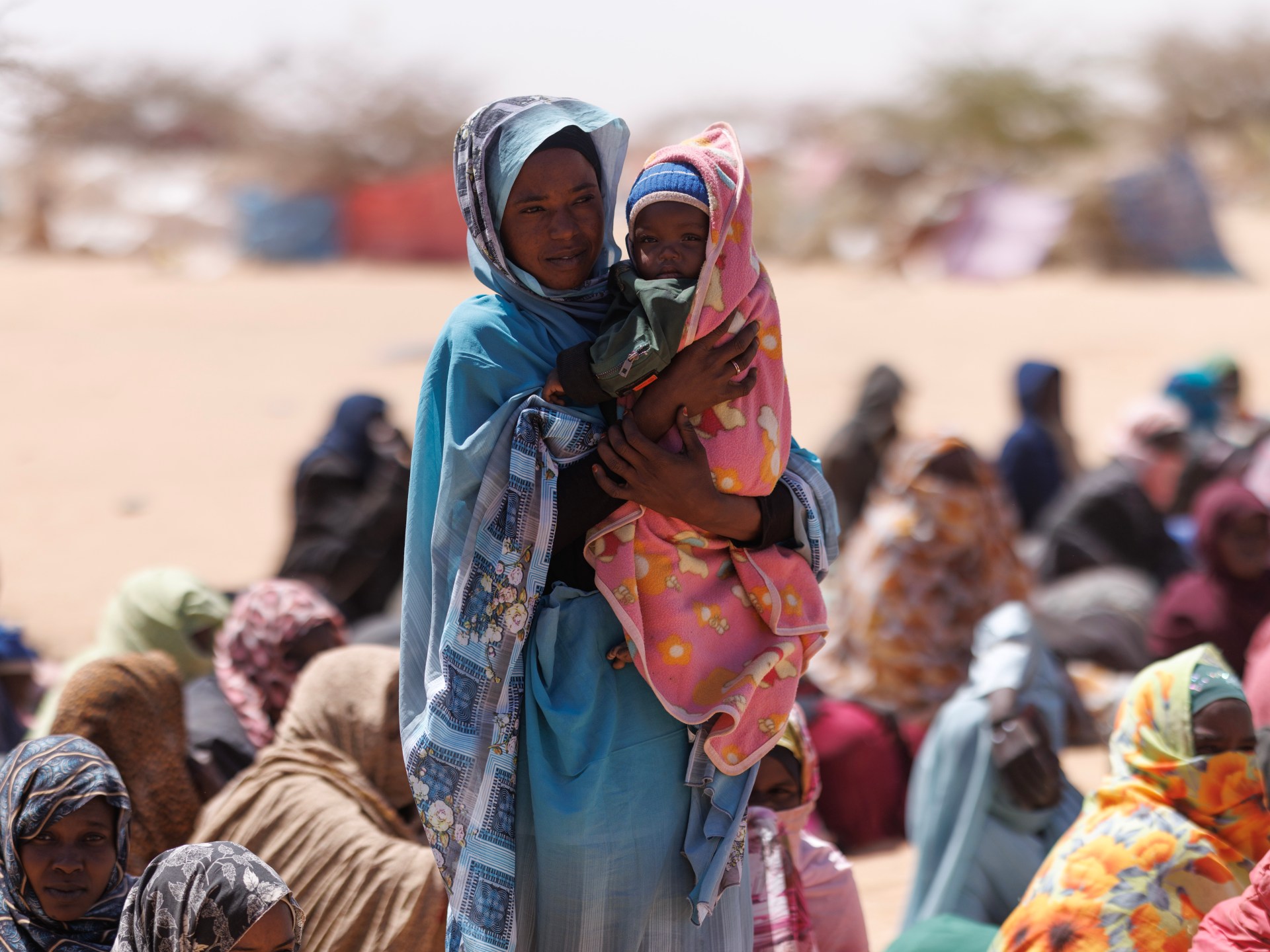
Sudan's protracted conflict has created an opening for dialogue that regional and international actors cannot afford to ignore, despite legitimate concerns about the military's role in the emerging peace process. A new initiative aimed at bringing warring factions to the negotiating table represents a significant shift in a conflict that has caused widespread humanitarian devastation and displacement. While questions persist about military influence over any potential agreement, analysts caution that outright rejection of the dialogue framework risks prolonging the suffering of millions of Sudanese civilians.
The initiative comes at a critical juncture, with the conflict showing no signs of resolution through military means. Multiple mediation efforts have faltered in recent years, making any structured attempt at dialogue noteworthy. However, skeptics argue that the military's central position in shepherding negotiations raises questions about whether any resulting agreement would genuinely address core grievances or merely entrench existing power structures.
Stakeholders on all sides face a strategic choice: engage with the dialogue process while maintaining vigilance over its implementation, or reject it entirely and continue a cycle of violence with uncertain outcomes. Experienced observers of Sudan's political landscape suggest that constructive engagement—combined with robust international oversight and clear benchmarks for military accountability—offers the most plausible path toward sustainable peace. Without active participation from civilian groups, opposition parties, and concerned regional partners, however, any dialogue risks becoming a mere exercise in legitimizing military interests.
The window for meaningful negotiation may not remain open indefinitely. Sudan's international partners have signaled willingness to support peace efforts, provided they meet minimum standards for inclusivity and transparency. The challenge now lies in building momentum while addressing legitimate concerns about the process itself.