World · India Bureau
Sudan's Acacia plantations show varying carbon storage capacity by age
Research in Sudan reveals that mature Acacia senegal trees sequester significantly more carbon than younger specimens, while grassland ecosystems demonstrate superior moisture retention capabilities.
LSN India ·
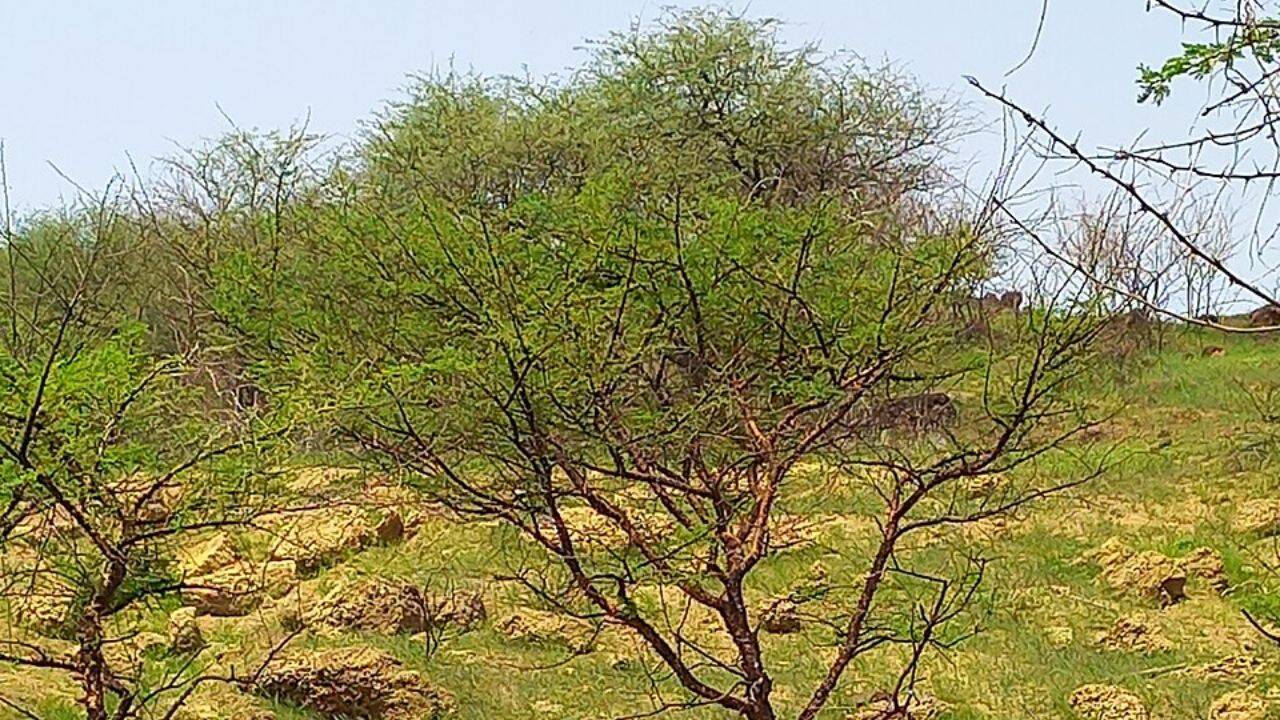
A study examining vegetation patterns across Sudan's semi-arid regions has documented marked differences in carbon storage efficiency between trees of varying ages within Acacia senegal plantations. The findings underscore the importance of long-term forest management strategies in regions vulnerable to desertification and climate variability.
Older Acacia trees demonstrated substantially higher carbon sequestration rates compared to their younger counterparts, suggesting that allowing plantations to mature yields greater environmental benefits. The trees, commonly cultivated across the Sahel region, serve multiple purposes including gum arabic production while contributing to terrestrial carbon storage.
Simultaneously, the research highlighted the moisture-retention advantages of grassland ecosystems relative to planted woodlands. These natural grasslands maintained superior soil moisture levels, a critical factor in regions experiencing increasing drought stress and erratic rainfall patterns.
The findings carry implications for land-use policy across Sudan and neighbouring countries grappling with deforestation and environmental degradation. Policymakers face a complex balance between afforestation initiatives and grassland preservation to optimize both carbon sequestration and hydrological resilience.
Experts suggest that integrated landscape management combining mature tree plantations with protected grasslands could provide complementary environmental benefits, maximizing carbon storage while preserving natural moisture cycles essential for agricultural productivity and ecosystem stability.