Business · Malaysia Bureau
Sudan's agricultural crisis deepens as Nile water levels fall sharply
Sudanese farmers face mounting losses as delayed rainfall and dropping Nile water levels compound existing hardships from conflict and surging input costs. The situation threatens food security across the war-affected nation.
LSN Malaysia ·
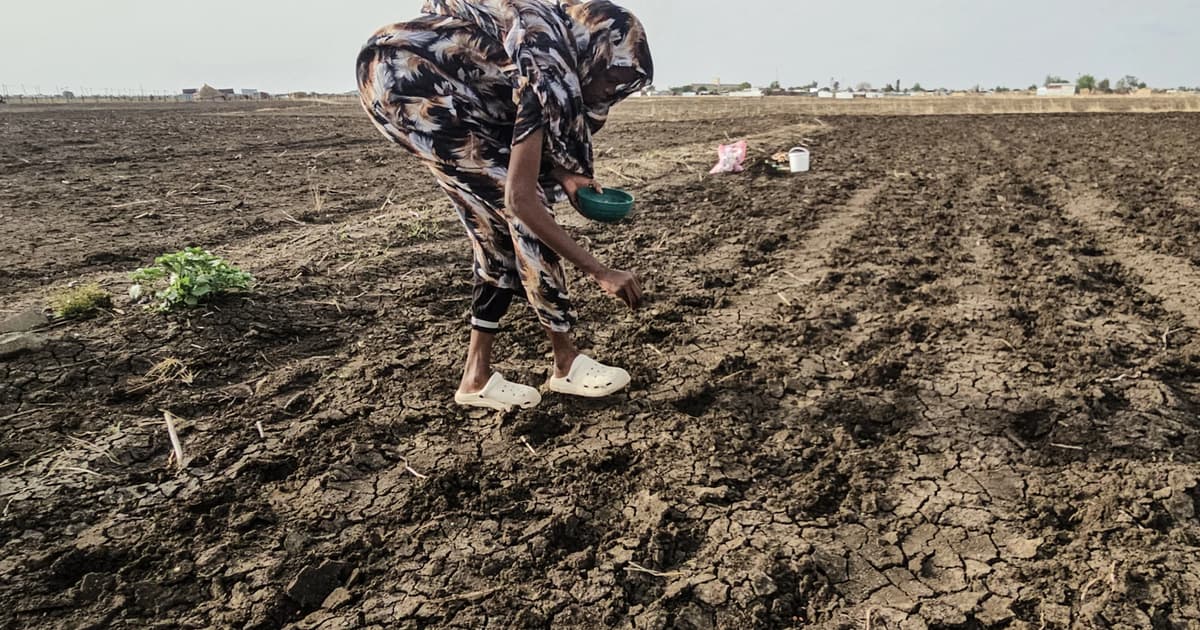
Sudan's agricultural sector is deteriorating rapidly as El Niño weather patterns disrupt traditional rainfall cycles and cause Nile water levels to recede, leaving vast tracts of farmland barren across the country. Farmers already burdened by ongoing conflict are now contending with severe water shortages that threaten crop yields and livestock survival.
The combination of environmental stress and economic pressures has created a perfect storm for rural communities. Fuel and fertiliser prices have soared to unprecedented levels, making agricultural inputs unaffordable for many smallholder farmers. With limited water availability and restricted access to essential supplies, productivity has plummeted across major farming regions.
Experts warn that the convergence of these factors risks triggering a broader food security crisis in Sudan, where agriculture remains the backbone of the economy and primary livelihood for millions. The delayed rains, typically expected to replenish water supplies and support crop cultivation, have failed to materialise on schedule, forcing farmers to rely on increasingly depleted aquifers and river sources.
Government and international agencies are monitoring the situation closely as water shortages threaten not only crop production but also pastoral communities dependent on grazing lands. Agricultural officials have urged intervention measures to mitigate losses and prevent long-term damage to Sudan's food production capacity.