Business · World News Bureau
Sudan's economic collapse forces Khartoum families into debt and hunger
Residents of Sudan's capital face mounting pressure as conflict and runaway inflation erode purchasing power. Many households are resorting to borrowing and reducing meals to survive.
LSN World News ·
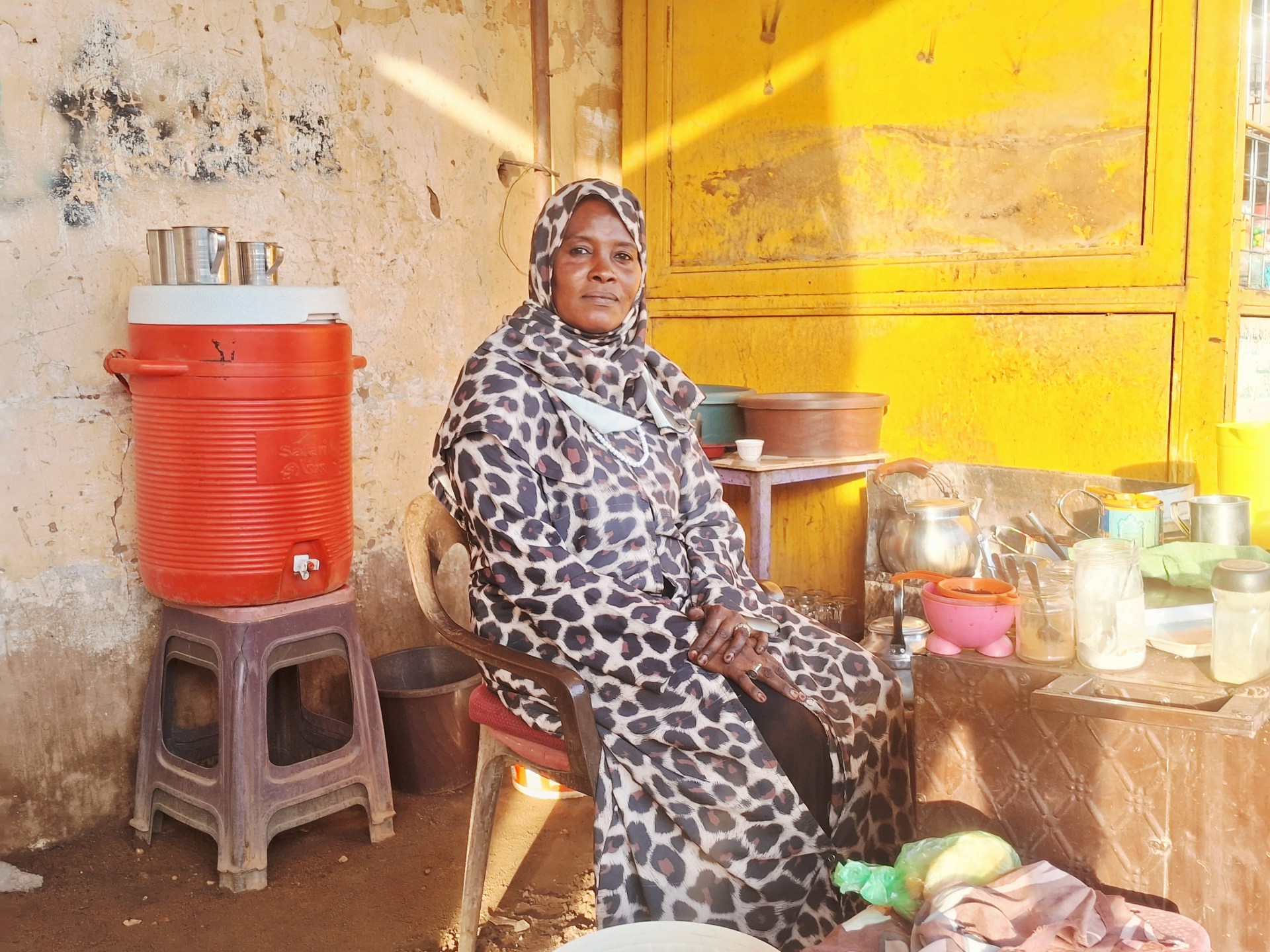
Khartoum's residents are confronting a deepening humanitarian crisis as the combination of ongoing armed conflict and severe economic deterioration leaves families struggling to afford basic necessities. The collapse of local currency values has driven food prices to unsustainable levels, forcing households across the capital to make impossible choices between essential purchases.
With incomes failing to keep pace with inflation, many families have turned to borrowing as a survival mechanism. Informal lending networks have expanded as formal financial systems strain under economic pressures, creating cycles of debt that threaten long-term household stability. The practice reflects the absence of viable alternatives for families seeking to bridge the gap between shrinking wages and soaring costs.
Meal-skipping has become commonplace among Khartoum's poorer households, signaling the severity of food insecurity in the capital. Nutritional intake has declined substantially, raising concerns about health impacts on vulnerable populations, particularly children and the elderly. Market vendors report that consumers are increasingly purchasing smaller quantities of basic staples, with some households reducing daily meal frequency to conserve resources.
The economic crisis compounds challenges created by the ongoing conflict, which has disrupted supply chains and reduced economic activity. Humanitarian organizations warn that without intervention, the situation threatens to deteriorate further, potentially triggering a broader humanitarian emergency across Sudan's major urban centers.