World · World News Bureau
Sudan's military victory over RSF may fragment conflict further
As the Sudanese Armed Forces gain ground against the Rapid Support Forces, analysts warn that battlefield success could fracture the fragile coalition backing the army, potentially creating new security challenges once the common adversary is defeated.
LSN World News ·
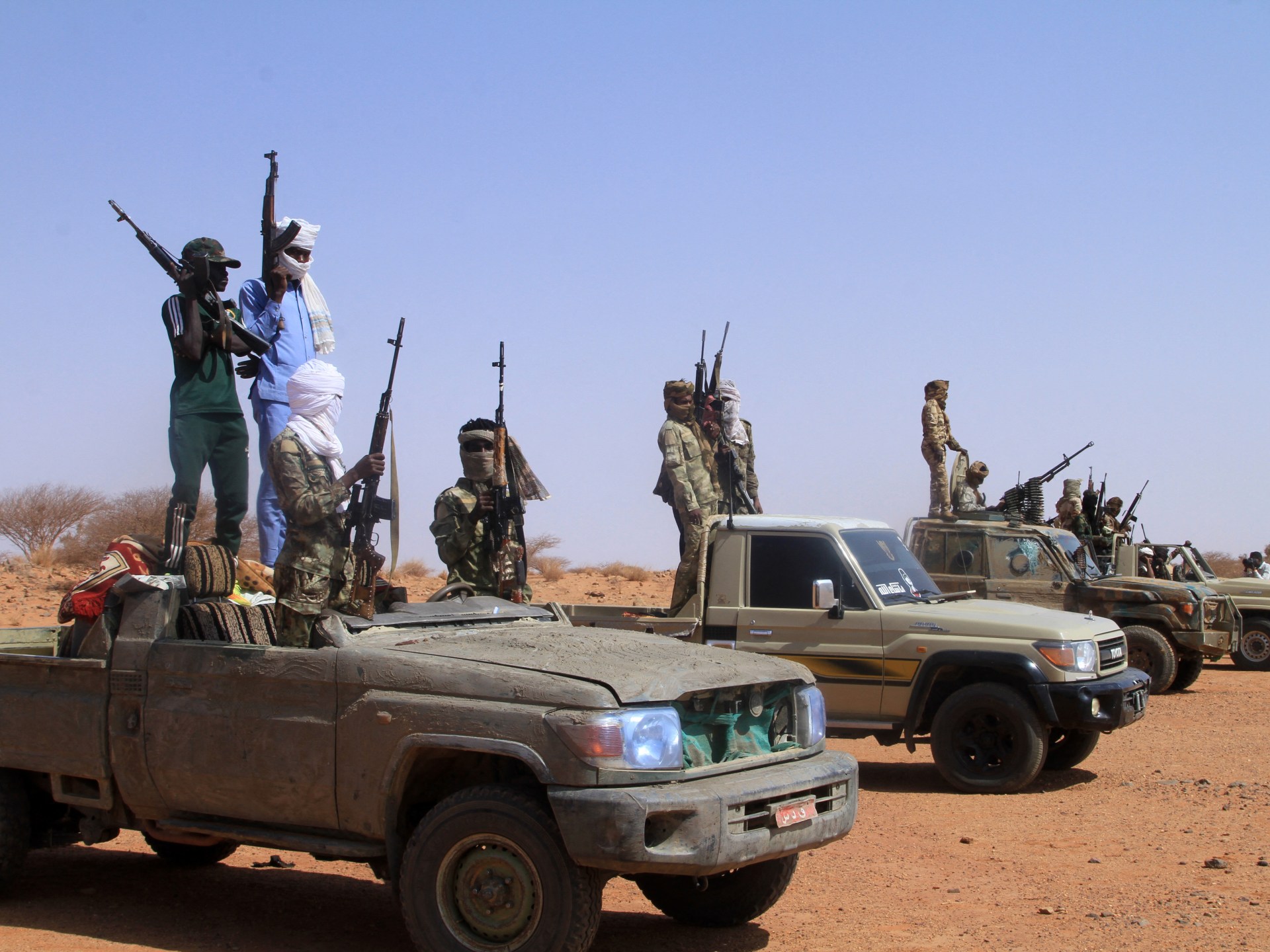
The Sudanese Armed Forces have achieved significant tactical advances against the Rapid Support Forces in recent months, but military analysts caution that these gains mask deeper structural vulnerabilities within the coalition supporting the regular army. The SAF's battlefield progress has been built on coordination with various armed groups and militias united primarily by opposition to the RSF, rather than shared strategic objectives or political vision.
Once the RSF is sufficiently weakened or defeated, the cohesion binding these disparate forces is likely to unravel. Regional commanders with autonomous control over armed groups may resist central authority, while competing interests over territorial control and resources could reignite dormant tensions. Several allied militias have demonstrated independence from SAF command structures, raising questions about the sustainability of current military arrangements.
Military strategists note that controlling territory is fundamentally different from consolidating political authority. The army faces the dual challenge of maintaining operational unity among its partners while simultaneously establishing civilian governance structures. Without addressing the underlying political grievances and power-sharing mechanisms that fueled the original conflict, a military victory could merely shift the nature of Sudan's instability rather than resolve it.
International observers warn that fragmentation of armed forces could create ungoverned spaces, complicate humanitarian access, and establish conditions for renewed factional conflict. The international community's role in supporting any transitional process will prove critical to preventing the current war from morphing into a prolonged period of localized instability.