World · India Bureau
Sugarcane Fields Emerge as New Political Battleground in Jat-Dominated Regions
Agricultural distress in sugarcane-growing areas inhabited predominantly by Jat communities is reshaping political alignments across northern India. The crop's economic challenges are forcing traditional power structures to reckon with farmer discontent.
LSN India ·
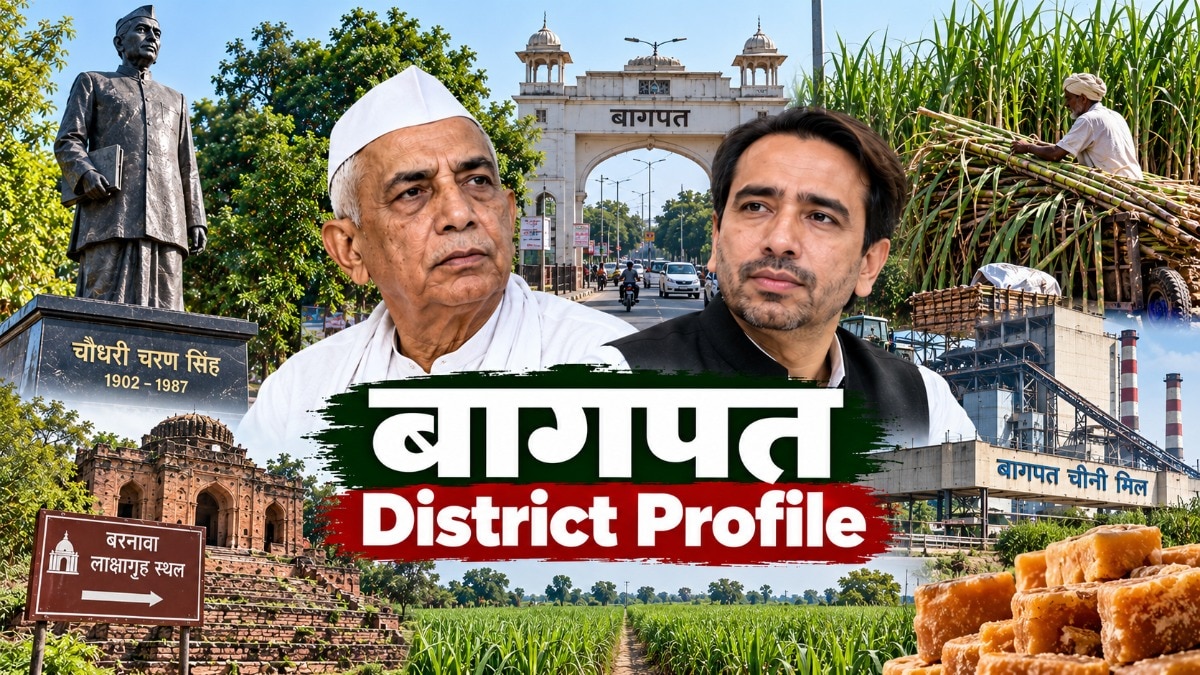
Sugarcane cultivation has long formed the economic backbone of Jat-dominated agricultural regions, but deteriorating farm economics are now driving significant political realignment. As procurement prices stagnate and input costs rise, farmer communities traditionally aligned with established political formations are increasingly receptive to alternative political messaging.
The crop's vulnerability to market fluctuations and delayed payments from sugar mills has created a groundswell of grievance among farming households. In districts where Jat landholding communities predominate, this agricultural crisis is translating into electoral volatility, with political parties scrambling to respond to demands for better support prices and timely bill settlement.
Local political observers note that sugarcane-dependent areas are witnessing unprecedented political fluidity. Candidates are increasingly forced to address farm-specific concerns rather than rely on traditional community affiliations, fundamentally altering campaign dynamics in these regions.
The emerging political significance of agricultural distress in these areas underscores how crop economics can reshape electoral calculations. With sugarcane production remaining central to regional economies, political fortunes increasingly hinge on addressing the sector's structural challenges and farmer concerns about economic viability.