Culture & Entertainment · India Bureau
Sugarcane growers push for jaggery units to enter ethanol production
A leading sugarcane farmers' association has called for allowing jaggery manufacturing units to produce ethanol, citing concerns that sugar factories are prioritizing bioethanol over sugar production. The move is seen as a potential remedy to rising sugar prices in the domestic market.
LSN India ·
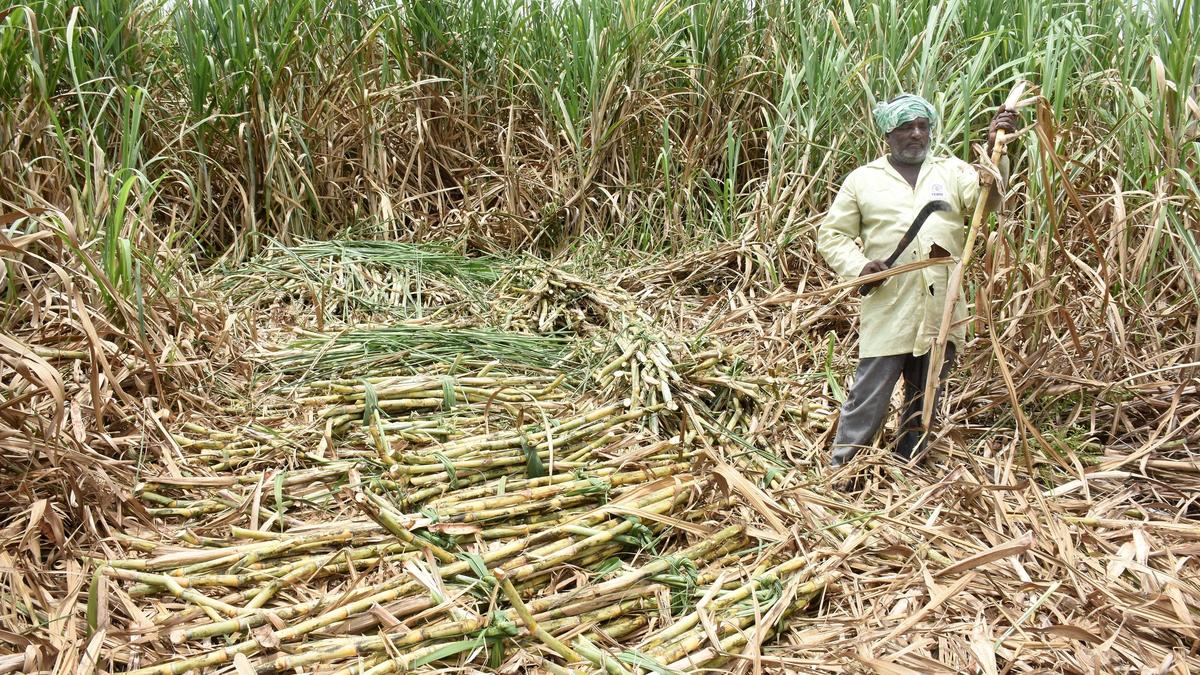
Representatives of sugarcane cultivators have urged policymakers to permit jaggery production units to venture into ethanol manufacturing, arguing the current arrangement benefits sugar factories at the expense of consumers and farmers alike.
Kurubur Shanthakumar, a prominent voice for sugarcane growers, has attributed the recent surge in sugar prices to the substantial profits sugar factories are generating from ethanol production. According to his analysis, factories are diverting sugarcane resources toward bioethanol rather than maintaining adequate sugar output, creating artificial scarcity that drives up retail prices.
The proposal reflects growing tension within India's sugarcane sector over resource allocation. Ethanol production has become increasingly lucrative for sugar mills, particularly as the government encourages biofuel blending in petrol to reduce petroleum imports and emissions. However, this shift has implications for domestic sugar availability and pricing.
Allowing jaggery units to enter ethanol production could diversify the sector and potentially increase overall output of both products. Jaggery manufacturers, typically smaller operations than sugar factories, currently lack the infrastructure to produce ethanol but could be encouraged to develop such capabilities with appropriate policy support.
The sugarcane growers' body contends that expanding ethanol production beyond sugar factories would create competition and incentivize greater overall sugarcane utilization, ultimately benefiting farmers through stable demand while addressing consumer concerns about sugar affordability.