World · Singapore Bureau
Sumatran communities grapple with persistent haze affecting livelihoods
Smoke from land clearing and agricultural fires in Sumatra continues to inflict widespread damage on farming yields, business operations and public health across the region. Residents report chronic respiratory distress as air quality remains dangerously compromised.
LSN Singapore ·
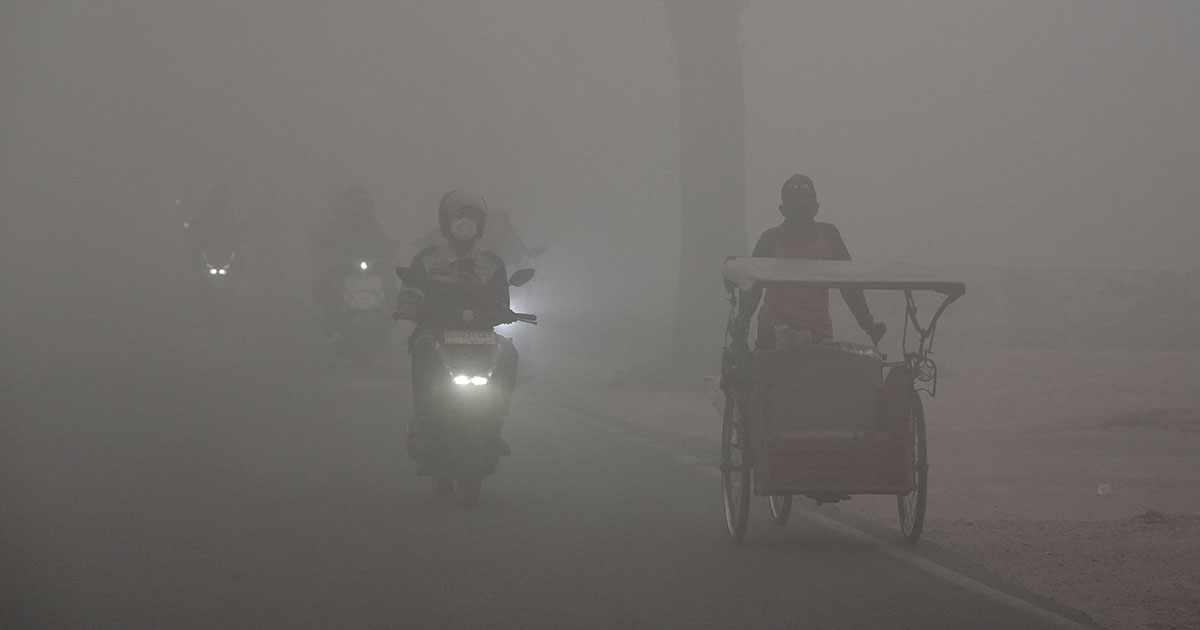
Communities across Sumatra are confronting the mounting toll of persistent haze, with impacts extending across economic and health sectors. Agricultural productivity has declined noticeably, with farmers reporting diminished harvests as smoke obscures sunlight and contaminates growing conditions. The environmental degradation threatens food security and income stability for rural populations dependent on seasonal cultivation.
Business operations face parallel pressures as haze deters customers and disrupts commercial activity. Retailers, hospitality operators and service providers report reduced foot traffic and lower transaction volumes as residents restrict outdoor movement. The downturn compounds economic uncertainty across small and medium enterprises with limited reserves to absorb prolonged revenue losses.
Public health concerns have intensified alongside air quality deterioration. Residents report persistent respiratory ailments, with vulnerability particularly acute among children, elderly populations and those with pre-existing conditions. Medical facilities across affected areas have documented increased patient volumes seeking treatment for haze-related illnesses. Chronic exposure during sleep and daily activities leaves populations unable to escape the effects, undermining both immediate wellbeing and long-term health outcomes.
The recurring phenomenon underscores the transnational nature of air pollution in Southeast Asia, with smoke originating from land-use practices affecting communities across political boundaries. Regional coordination remains essential to address underlying causes and mitigate future occurrences.