Business · India Bureau
Sumit Sarkar's Legacy: Redefining Modern Indian Historical Scholarship
Renowned historian Sumit Sarkar fundamentally transformed the study of modern India by synthesizing political narratives with cultural, economic and social dimensions. His scholarly approach demonstrated how historical inquiry must remain responsive to contemporary challenges and questions.
LSN India ·
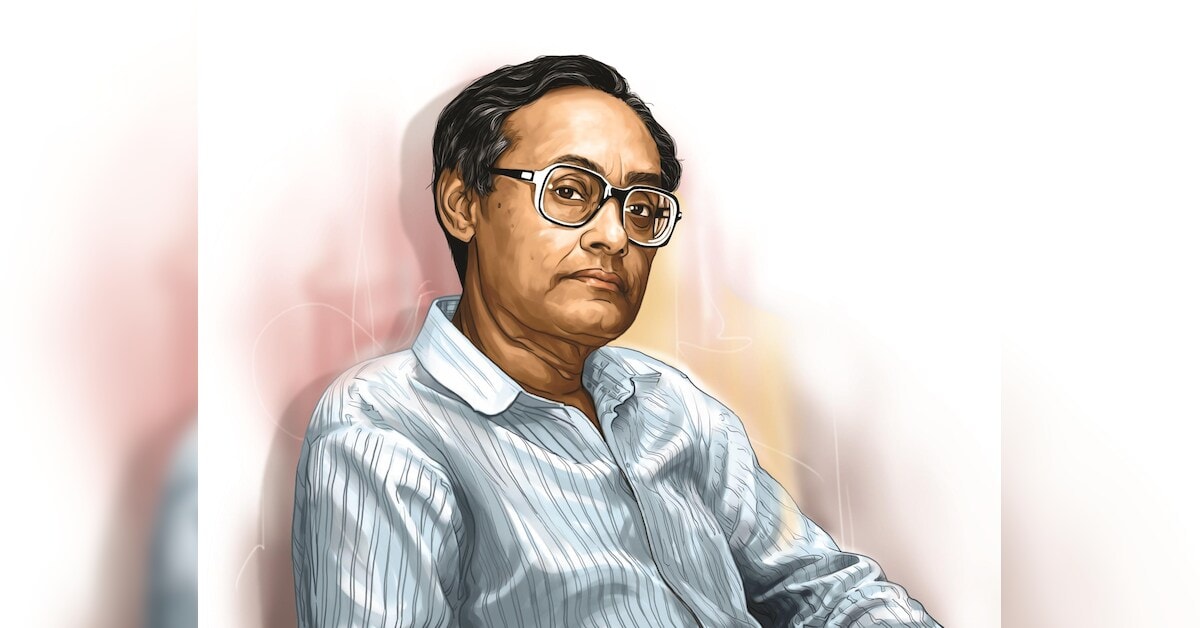
Sumit Sarkar's contribution to Indian historiography extended beyond traditional political chronologies, establishing a methodological framework that integrated multiple dimensions of historical understanding. Rather than treating political history as an isolated narrative, Sarkar demonstrated how economic structures, cultural practices and social movements interconnected to shape modern India's trajectory. This integrated approach challenged earlier historiographical conventions and influenced a generation of scholars working across South Asian studies.
Throughout his career, Sarkar engaged with the fundamental question of how historians should approach their discipline amid changing social and political contexts. His work reflected a conviction that historical scholarship remains inherently connected to the present moment, requiring historians to continuously reassess their interpretive frameworks in light of contemporary developments. This reflexive approach distinguished his contributions and modelled an alternative to both nationalist and purely academic historiography.
The scope of Sarkar's scholarship encompassed India's colonial period through independence and beyond, examining how processes of modernization unfolded unevenly across regions and social groups. By foregrounding previously marginalized perspectives—including those of workers, peasants and women—his work expanded the empirical foundation of Indian historical studies. His investigations into the relationship between intellectual movements and social transformations revealed how ideas circulated and evolved within specific historical contexts.
Sarkar's scholarly trajectory illustrated the possibilities of engaged historical inquiry that remains rigorous in methodology while remaining attuned to pressing contemporary concerns. His approach suggested that historical understanding develops through sustained dialogue between archival evidence, theoretical frameworks and present-day realities, establishing a model of intellectual practice that continues to inform scholarship on modern South Asia.