World · Bangladesh Bureau
Sundarbans protection demands unified conservation strategy
Experts and officials say safeguarding the world's largest mangrove forest requires coordinated efforts across multiple agencies and stakeholders. The UNESCO World Heritage site faces mounting pressures from climate change, illegal activities, and development.
LSN Bangladesh ·
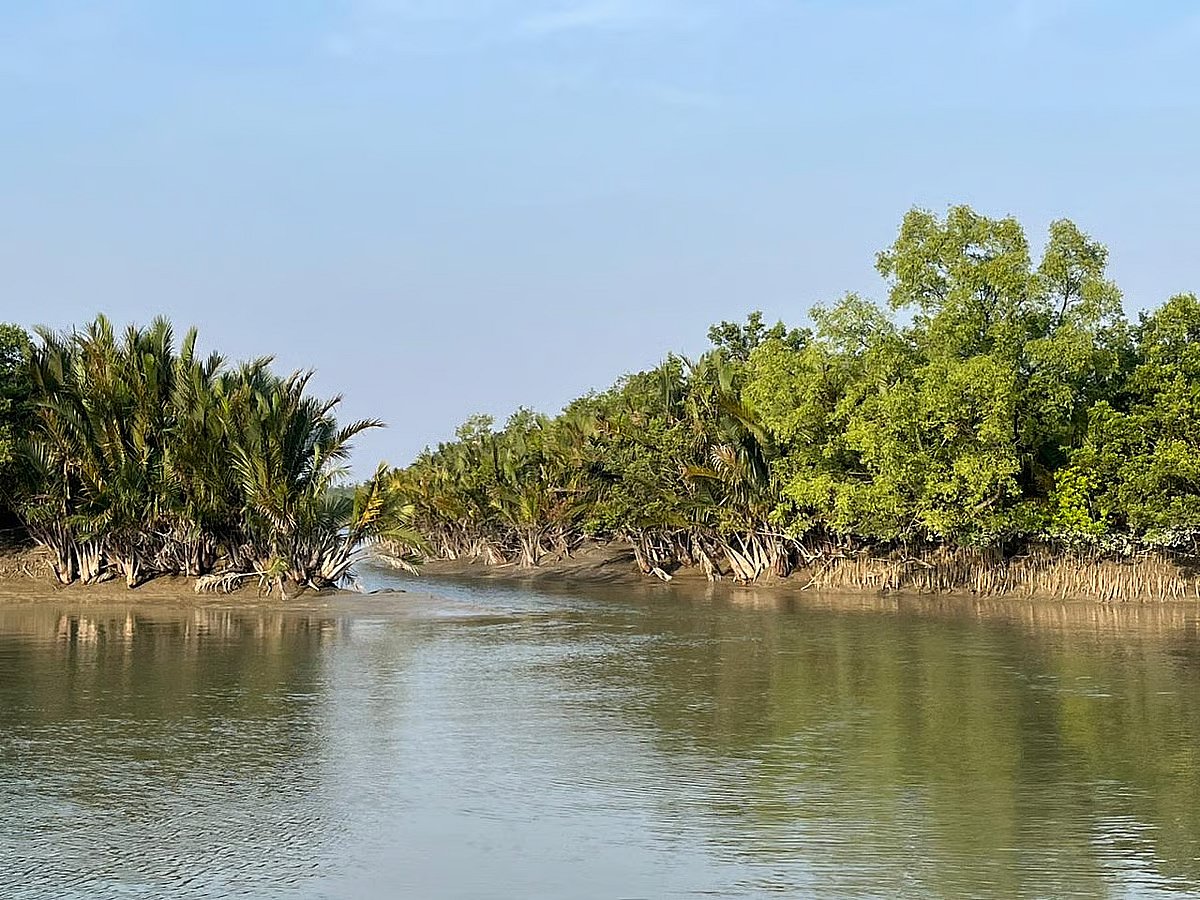
The Sundarbans, spanning approximately 10,000 square kilometres across Bangladesh and India, faces an escalating array of environmental and security challenges that cannot be effectively addressed through isolated efforts, according to conservationists and government representatives.
The mangrove ecosystem, home to the Bengal tiger and numerous endangered species, has historically been managed through separate administrative frameworks in each country. Environmental specialists argue this fragmented approach undermines long-term preservation goals and leaves critical habitats vulnerable to poaching, illegal logging, and climate-related degradation.
Coordination mechanisms between Bangladesh and India have existed in various forms, but experts contend that these arrangements require strengthening and expansion. Enhanced information-sharing, joint patrol operations, and harmonized conservation policies could significantly improve protection of the forest's biodiversity and the livelihoods of communities dependent on its resources.
Climate change presents an additional dimension to conservation challenges, with rising sea levels and changing monsoon patterns threatening the delicate ecological balance. Scientists emphasize that addressing these threats demands sustained investment in research, habitat restoration, and community engagement alongside regulatory enforcement.
Stakeholders acknowledge that comprehensive Sundarbans conservation requires commitment from both national governments, international conservation organizations, and local communities who rely on the forest's sustainable resources.