World · India Bureau
Sunflowers deployed in post-Chernobyl cleanup to absorb radiation
Following the Chernobyl nuclear disaster, scientists turned to an unlikely solution: sunflowers. The flowering plants were used in environmental remediation efforts to help absorb radioactive isotopes from contaminated soil.
LSN India ·
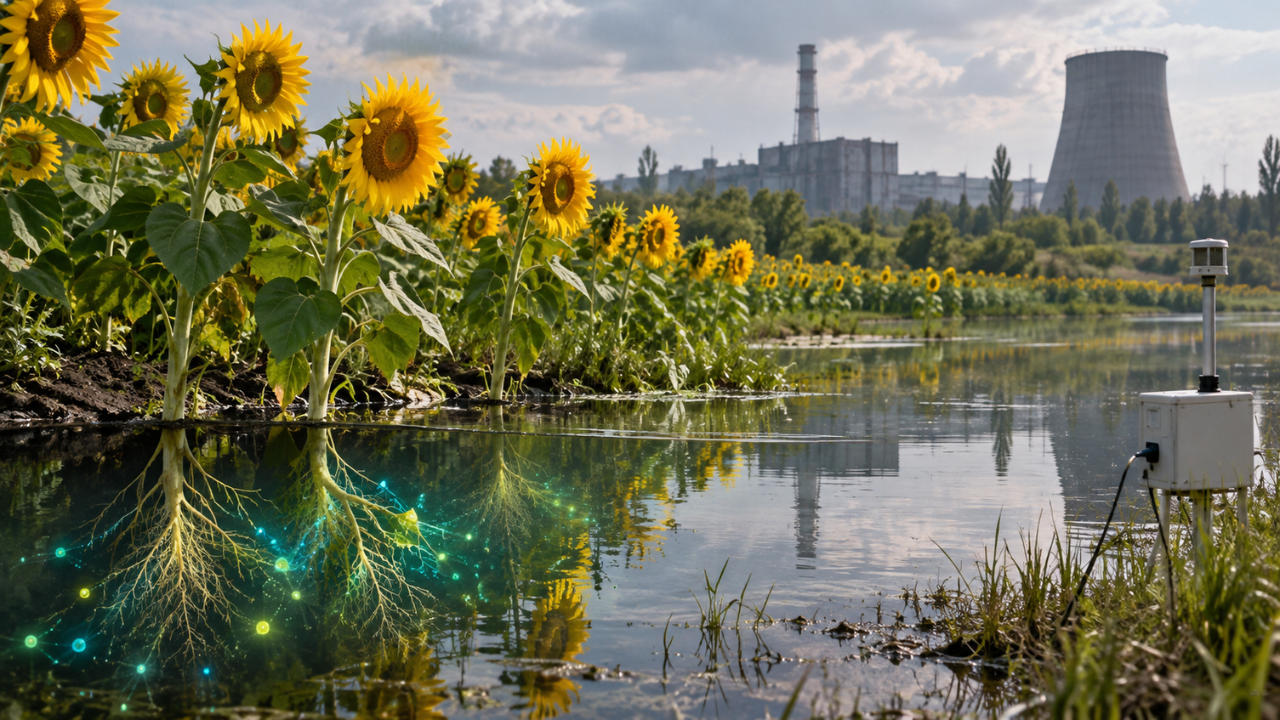
In the aftermath of the Chernobyl nuclear accident, environmental scientists explored innovative approaches to address widespread radioactive contamination. Among these remediation strategies was the strategic planting of sunflowers in affected areas around the Ukrainian nuclear facility.
Sunflowers possess a natural ability to absorb and accumulate certain radioactive elements, including strontium and cesium, through their root systems. This process, known as phytoremediation, offered a biological approach to reducing radiation levels in contaminated land without requiring extensive mechanical intervention or hazardous chemical treatments.
The use of sunflowers represented part of a broader environmental restoration effort following the 1986 disaster, one of the most severe nuclear accidents in history. Scientists recognized that certain plant species could serve a dual purpose: helping decontaminate soil while providing a visible symbol of ecological recovery in the region.
While phytoremediation through sunflower cultivation proved helpful as one component of a comprehensive cleanup strategy, experts emphasized that it was not a standalone solution. The approach complemented other remediation techniques employed across the contamination zone to manage the long-term environmental impact of the nuclear incident.