World · India Bureau
Sunken Canadian warship becomes thriving marine habitat five years on
A deliberately scuttled naval vessel off British Columbia has transformed into a thriving artificial reef, attracting over 170 marine species within five years of its submersion. The ecological success of the project demonstrates the potential of engineered underwater structures to support marine biodiversity.
LSN India ·
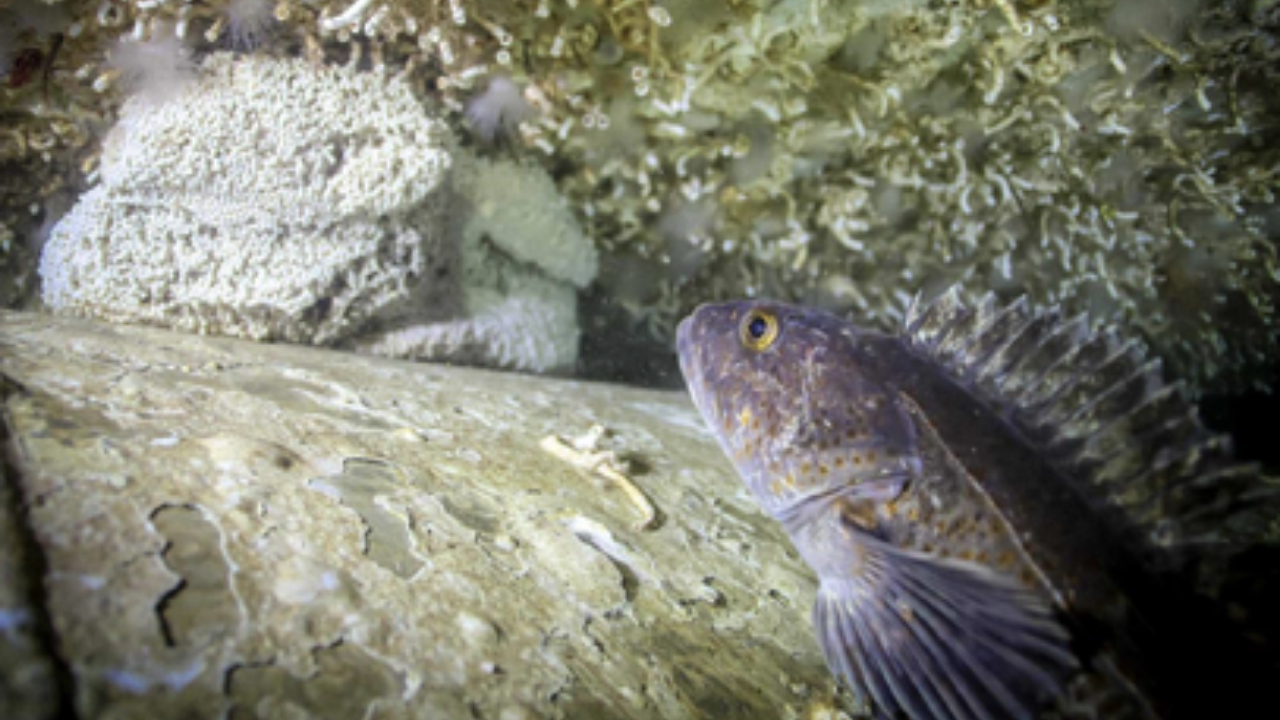
HMCS Annapolis, a 113-metre former Canadian warship, was intentionally sunk off the coast of British Columbia in 2015 as part of an environmental initiative to create an artificial reef. The decommissioned vessel, which had served in Canada's Navy, was chosen for its structural integrity and size, making it an ideal candidate for underwater habitat development.
By 2020, just five years after being submerged, the sunken ship had become home to more than 170 marine species. The wreck's complex structure—featuring multiple compartments, corridors and exterior surfaces—provided diverse ecological niches for fish, crustaceans, molluscs and other organisms to colonize and establish themselves.
The project has yielded significant ecological benefits beyond simple species colonization. The artificial reef creates shelter and breeding grounds for marine life, while also enhancing feeding opportunities in the surrounding waters. Scientists monitoring the site have documented how the vessel's surfaces rapidly became covered with kelp, anemones and other organisms, establishing the foundation of a productive ecosystem.
The success of the HMCS Annapolis initiative underscores the environmental value of strategically deployed underwater structures. Marine biologists suggest that such projects offer cost-effective alternatives to natural reef restoration while providing measurable biodiversity gains in coastal regions where natural habitats have been degraded or lost.